January 8 2026, 11:00 a.m. to 12:00 p.m. MT
Exploring Human-Centered Design and Operation for Hurricane and Tornado Safe Rooms
Webinar Description:
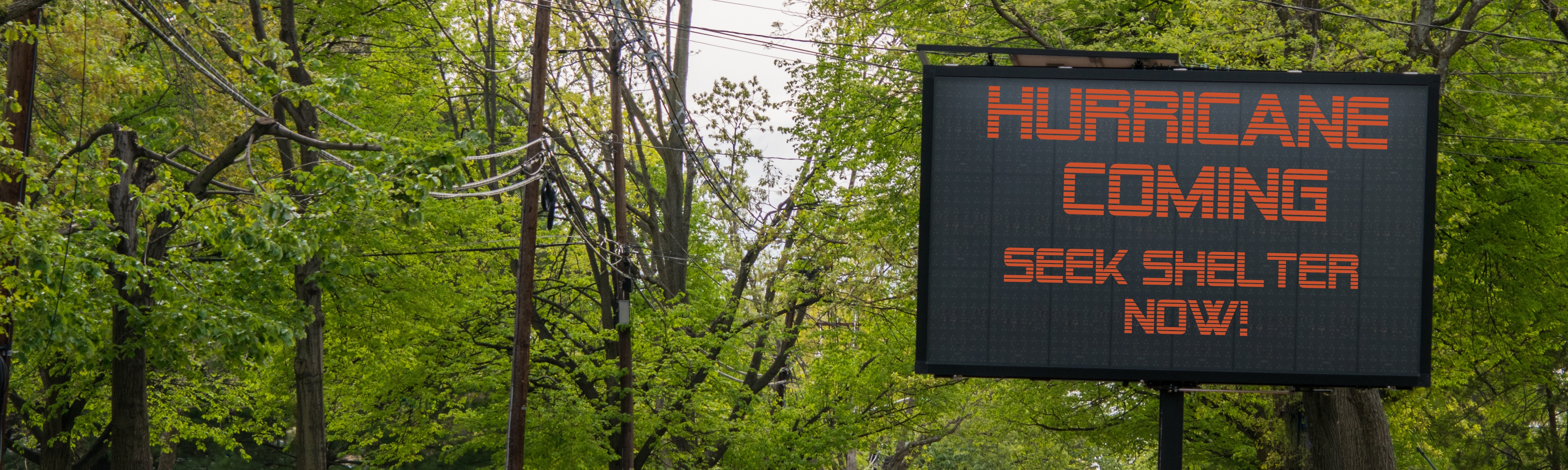
Safe rooms and storm shelters provide critical protection during tornadoes, hurricanes, and other extreme wind events. As of 2025, the Federal Emergency Management Agency has invested nearly $1.5 billion in helping communities build over 48,000 residential and community safe rooms. These structures successfully protect people during wind events, but much less is known about how people actually use and experience safe rooms during emergencies.
Join researchers from the Natural Hazards Center as they share findings from their recent study on incorporating human-centered principles to improve the design and operation of community safe rooms. Drawing on visits to over 30 safe rooms across Missouri, Oklahoma, Louisiana, and Texas, the study combines social science and engineering expertise to investigate building operator and occupant experiences during extreme wind events. The presenters will identify social, psychological, and logistical challenges that may affect a person’s interest in using safe rooms and their safety while sheltering. From managing pet accommodations to addressing concerns about sanitation and health, the findings reveal opportunities to make safe rooms more comfortable and effective for the people who use them.
Attendees will see examples of sheltering best practices and hear suggestions for strengthening the design and operation of safe rooms in the future. This session is particularly relevant for architects, engineers, planners, emergency management professionals, and researchers. Join us to learn how integrating human experience into engineering design can strengthen community safe rooms across the United States.
After registering, you will receive a confirmation email containing information on how to join the webinar.
Speakers:
Jessica Austin, Natural Hazards Center
Carson MacPherson-Krutsky, Natural Hazards Center
Mary Angelica Painter, Natural Hazards Center
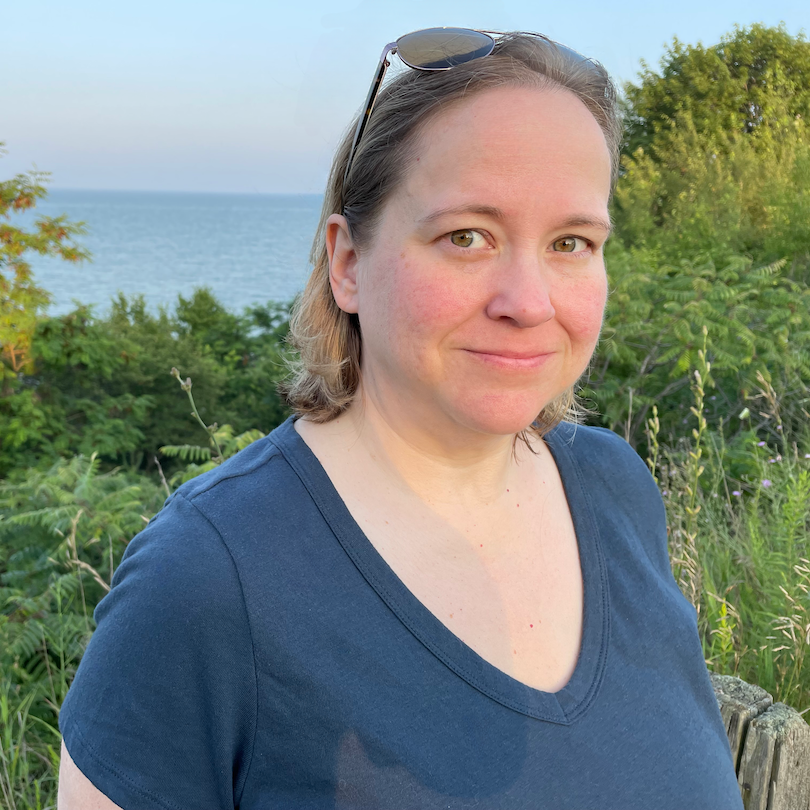
Jessica Austin is a research associate at the Natural Hazards Center. Her work supports the Natural Hazards Engineering Research Infrastructure CONVERGE facility, the Quick Response Research Award Program, and the annual Natural Hazards Workshop. Previously, she served as the primary data manager for the Social Science Extreme Events Research network. She also completed an internship with Esri, where she conceptualized a mobile app to reunite companion animals with their people following a disaster. Her research interests include animals and society, including the implications of hazards and disasters for companion animals; social psychology; and qualitative research methods.
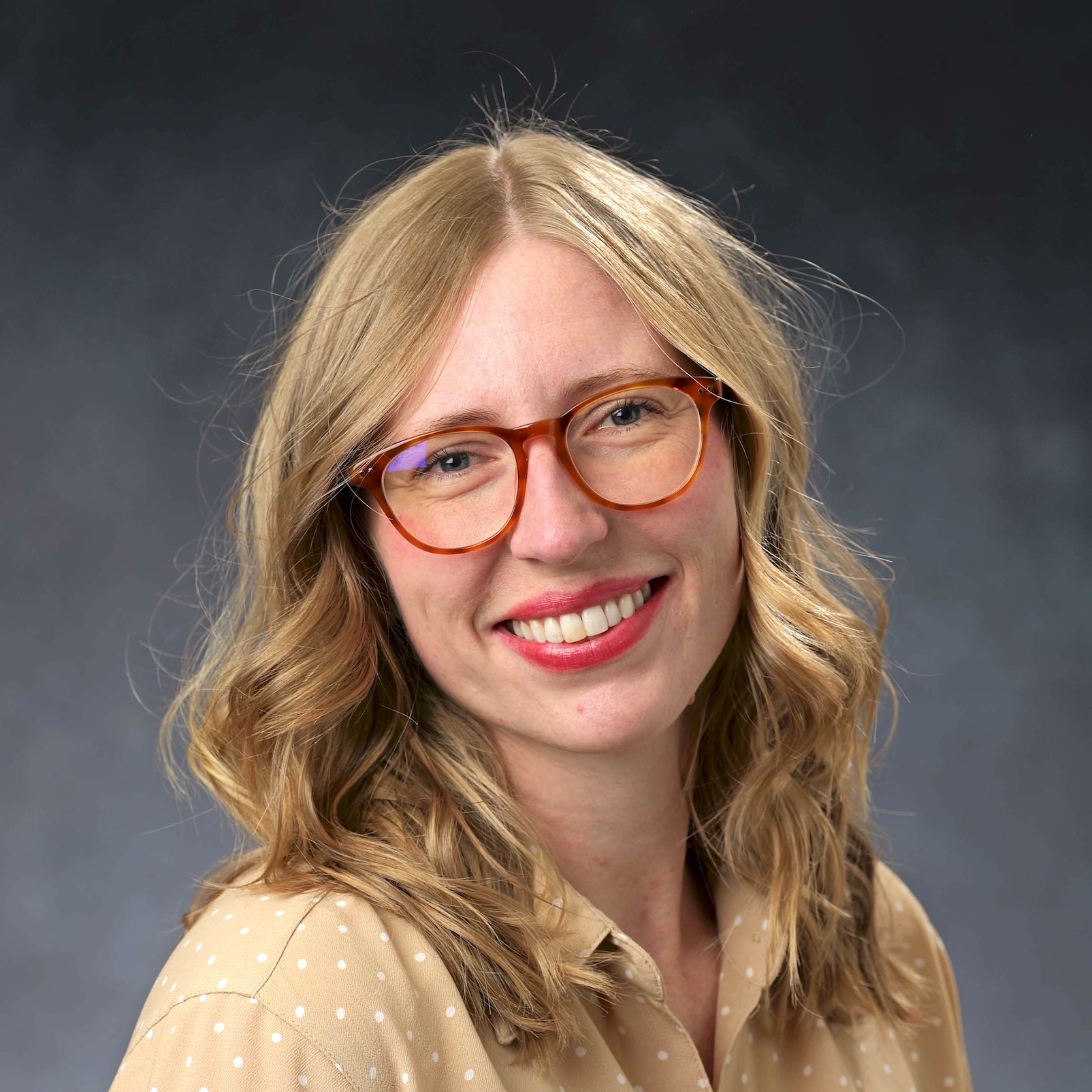
Carson MacPherson-Krutsky is a research associate at the Natural Hazards Center. Her research uses social science methods to investigate what motivates people to take protective actions and which risk communication styles are most effective. MacPherson-Krutsky’s projects are diverse with recent ones investigating the use of hurricane and tornado shelters, identifying how to build more inclusive emergency alerts systems and developing trainings on risk communication for flood management practitioners. She is passionate about making connections across disciplines, sectors, and with community members to ensure that research can help support real-world decision-making in communities of all shapes, sizes, and backgrounds.
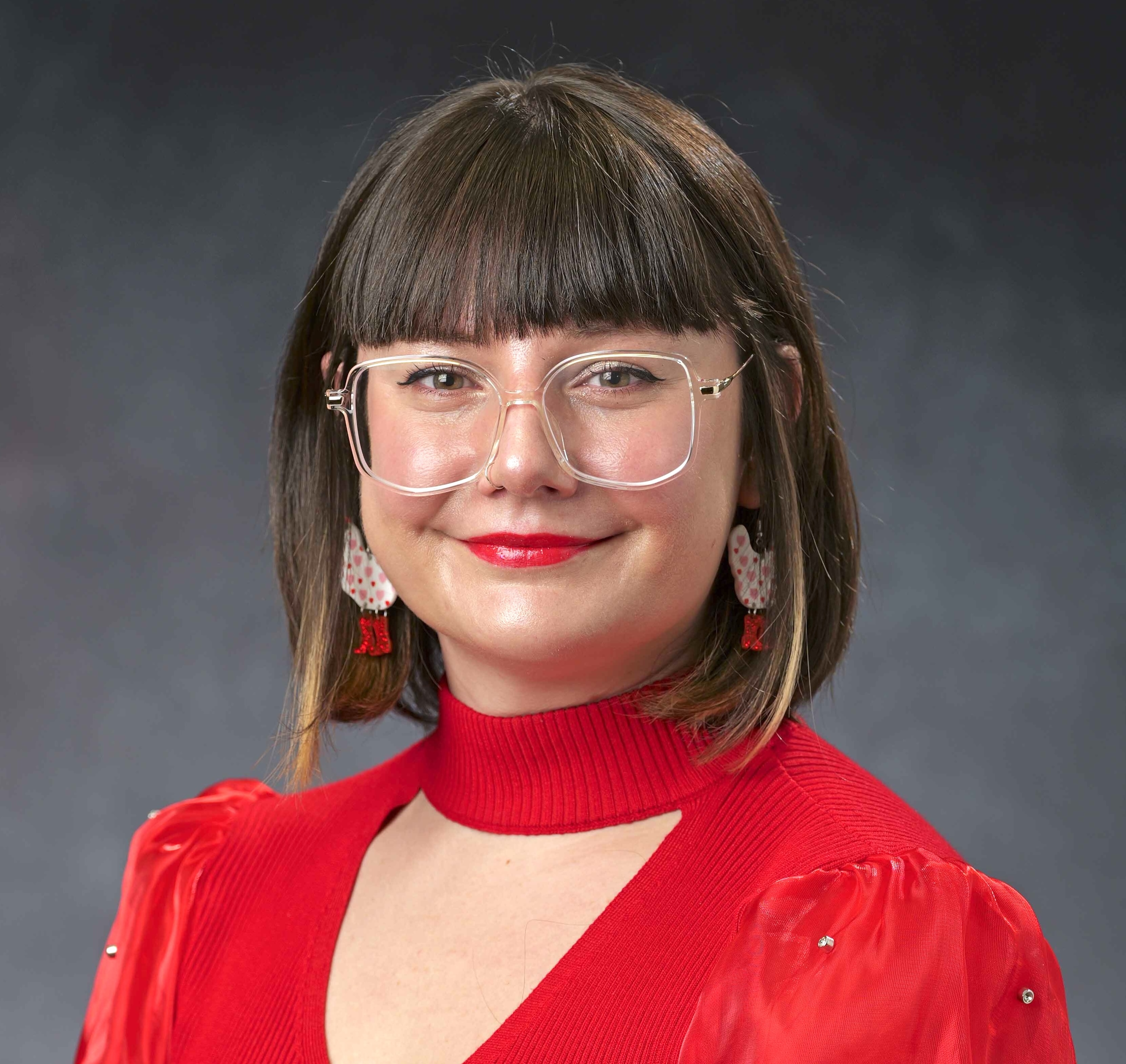
Mary Angelica Painter is a research associate at the Natural Hazards Center. Her research includes developing new ways to understand and engage with socially vulnerable communities in the context of natural hazards, while also incorporating the roles of government, policy, and politics. Her work is driven by a philosophy of collaboration, where the community, decision-makers, researchers, and the public are involved in identifying problems and finding solutions together.
Continuing Education Credits:
This webinar is eligible for one contact hour of emergency management training within the International Association of Emergency Managers (IAEM) certification program. For more information about continuing education credits and how to earn them, please click here.