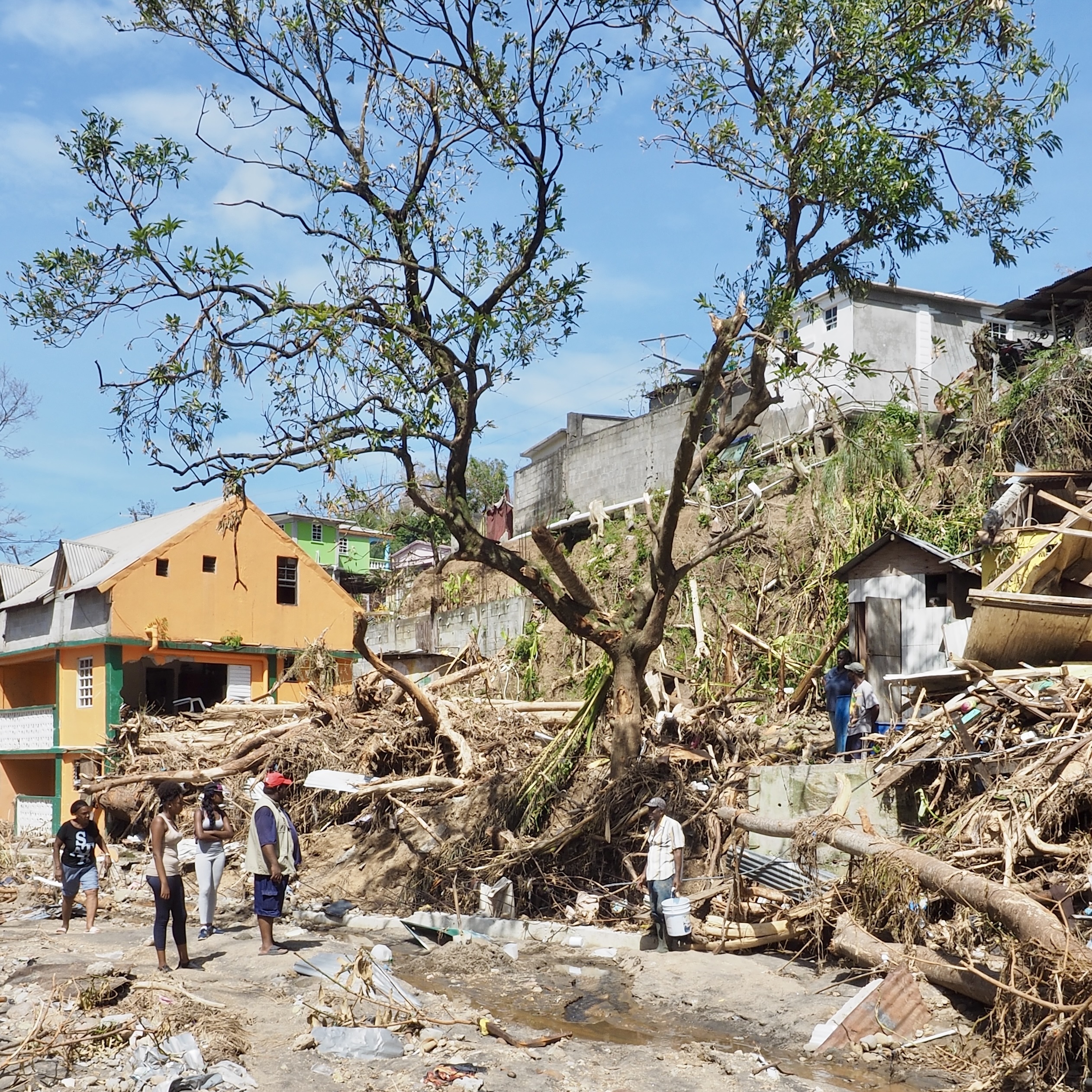
Learn more about specific historic disasters that have shaped the trajectory of the hazards and disaster field in this new webinar series.
Natural Hazards Center News
February 9, 2026
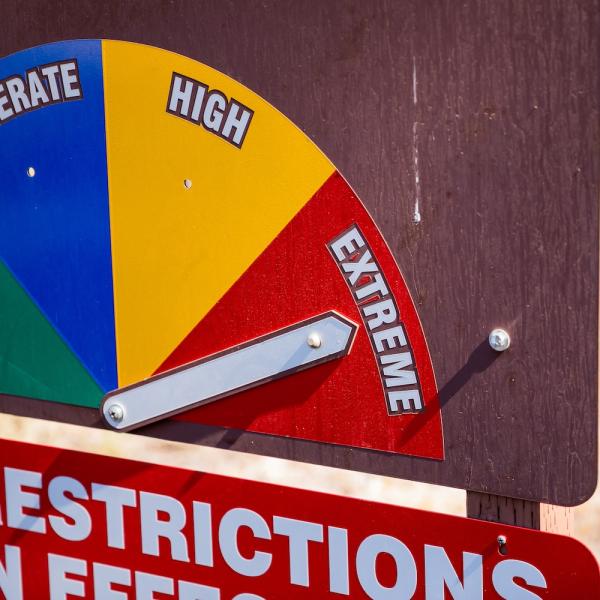
A new Natural Hazards Center project, funded by the National Oceanic and Atmospheric Administration (NOAA), seeks to understand how Colorado populations with limited-English proficiency—specifically Spanish, Chinese, and Vietnamese speakers—receive, perceive, and respond to emergency information about extreme weather events.
November 5, 2025
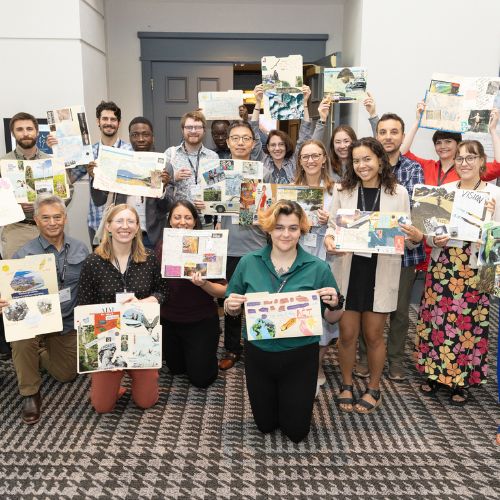
There are many ways to contribute to the 51st Annual Natural Hazards Workshop. Join us for a virtual Q&A session on December 9, 2025 to learn more!
October 23, 2025
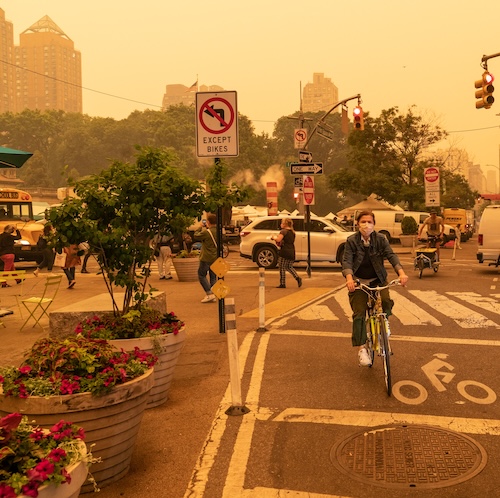
The Natural Hazards Center—with funding from the National Institutes of Health and the National Science Foundation—has launched the Health and Extreme Weather Research Award Program, which is designed to address gaps in knowledge about the health risks and consequences associated extreme weather events.
August 22, 2025
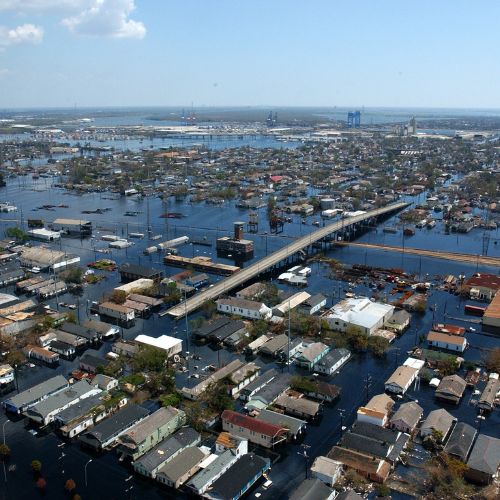
Two decades after Hurricane Katrina, the storm still looms large in our national memory. The disaster and the long recovery that followed influenced a generation of researchers, historians, journalists, and artists. This selection of podcasts, films, books, and journal articles offers a wide variety of personal stories and detailed analyses of Katrina's legacy in science, politics, and emergency management.
July 31, 2025
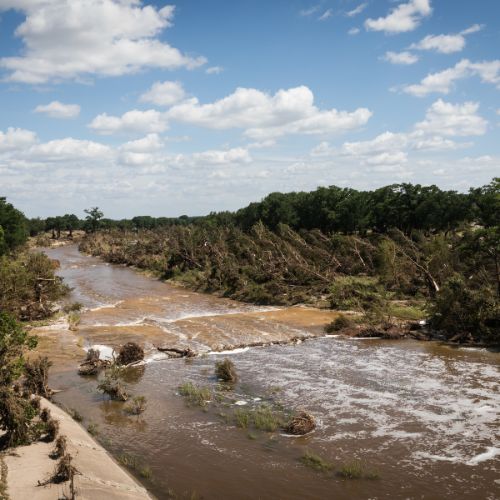
As communities across the nation grapple with this harrowing summer of flooding, the Natural Hazards Center offers resources that can support research and its applications to improve operational forecasts and warnings, minimize property damage, reduce injuries and deaths, and ultimately contribute to the collective good.
June 9, 2025
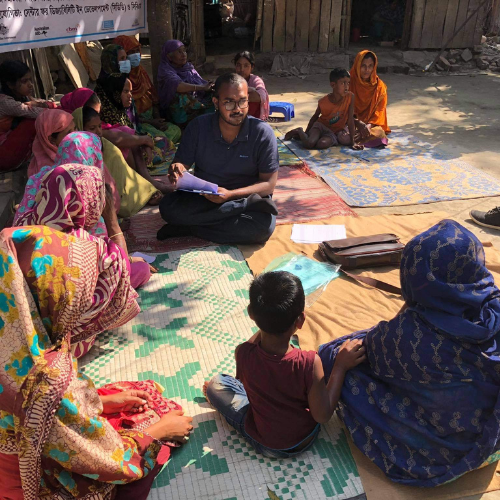
Natural Hazards Center graduate research assistant Musabber Ali Chisty was recently awarded a CU Engage graduate fellowship to do community-based disaster research with coastal communities in his home country.
June 1, 2025
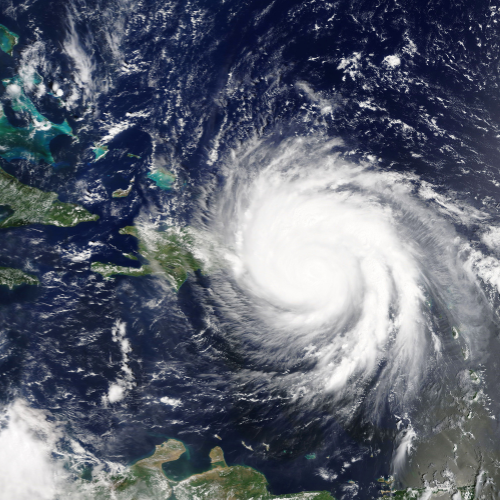
As communities across the continental United States and the Caribbean brace for another turbulent year of hurricanes in the Atlantic basin, the Natural Hazards Center had compiled resources that can help with preparation, response, and recovery.
May 20, 2025
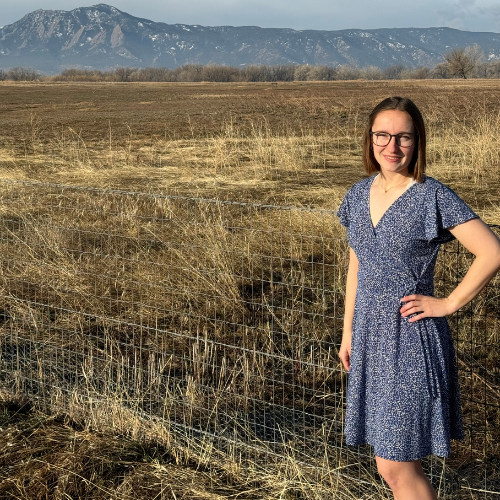
Brigid Mark, graduate research assistant at the Natural Hazards Center and data manager for the Social Science Extreme Events Research network, was recently named a National Science Foundation (NSF) Non-Academic Research Internships for Graduate Students (INTERN) awardee.
May 19, 2025
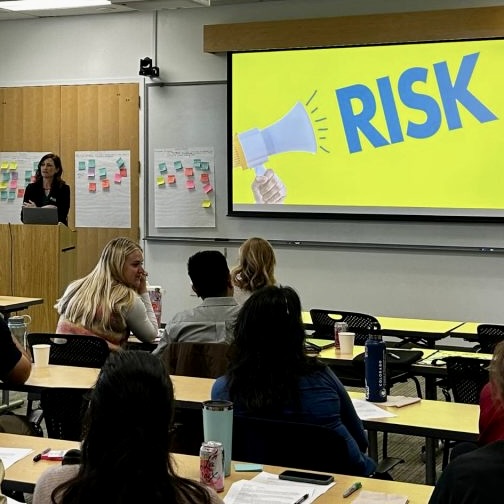
Professor of Civil, Environmental, and Architectural Engineering, Amir Behzadan, and Natural Hazards Center Research Associate, Mary Angelica Painter collaborated to host the Advancing the Science and Practice of Innovative, Relatable, and Engaging Disaster Risk Communication (ASPIRE) Workshop.