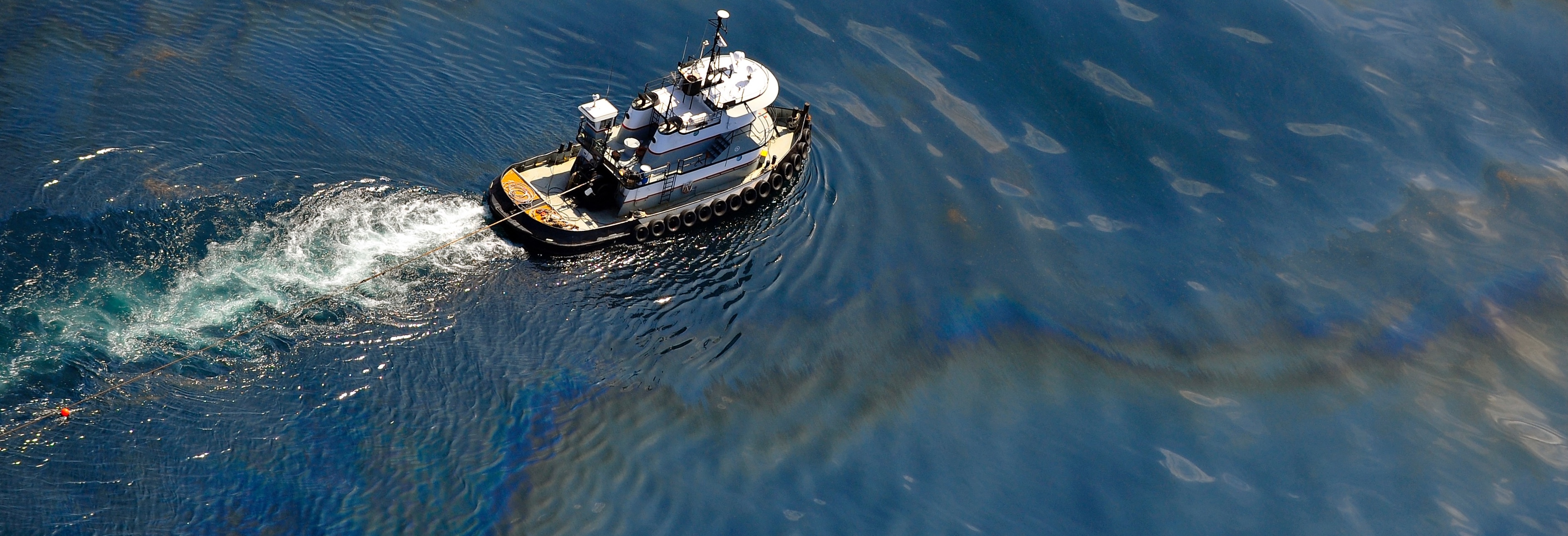
Resources and Readings
This collection provides next generation researchers an accessible way to learn about past studies of major oil spills and find trainings and tools that will prepare them to study future hazardous spill events. The selected resources and readings are designed to support research on the social, economic, health, and environmental impacts of oil spills. Click the tiles below to explore.
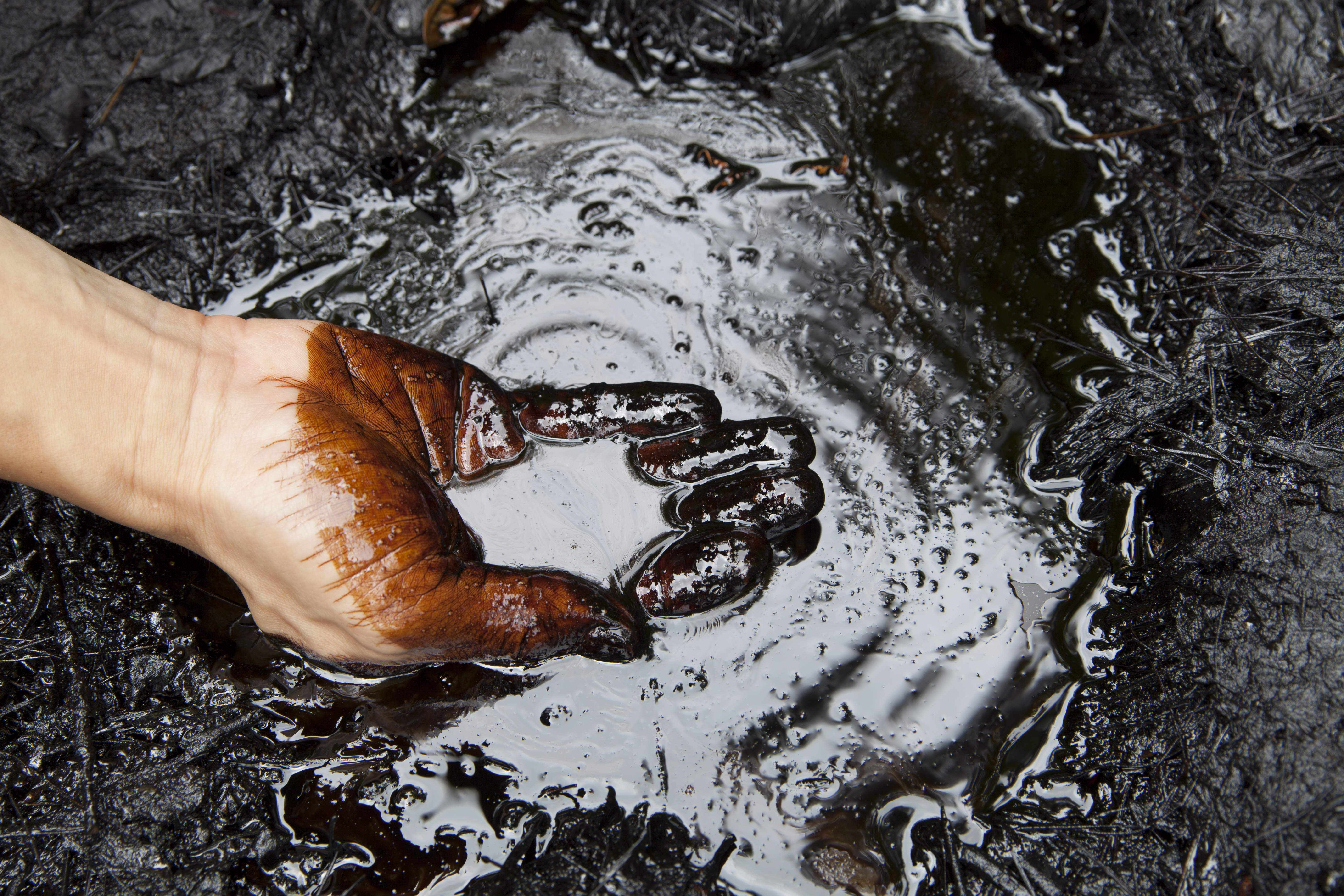
Past Oil Spill Research
Learn about previous investigations of major oil spills and their impacts on the people, economies, and environments where they occurred. The collection includes notable reports, peer-reviewed articles, and research syntheses of the Exxon Valdez and Deepwater Horizon disasters as well as recent advances in oil spill science.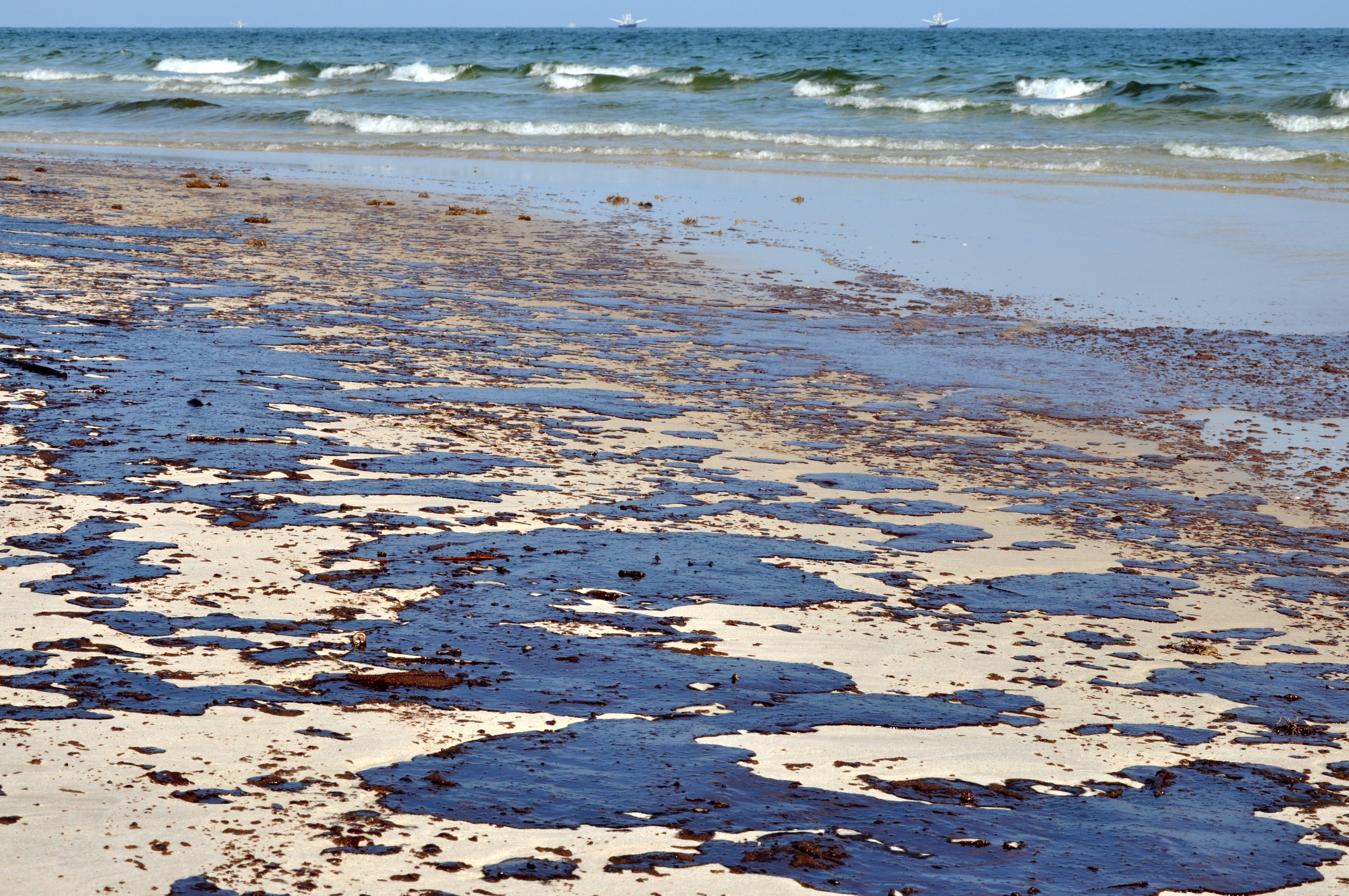
Trainings and Resources for Research Design
Access trainings and resources that support the design of rigorous, ethical, and community-centered research in hazardous spill and other disaster settings.
Data Repositories and Publication Tools
Find data and research instruments produced by researchers for previous studies of hazards and disasters, including the Deepwater Horizon oil spill and other hazardous spill incidents. Researchers will also find information on how to publish data or research instruments in a public repository.This is a living collection of resources and readings that will grow over time. Check back frequently to learn about new items that have been added, or join our LinkedIn Group to receive regular updates. If you would like to recommend a resource or reading for this page, please email us at hazctr@colorado.edu.
The Next Generation Oil Spill Researchers Community of Practice is funded by the Gulf Research Program at the National Academies of Sciences, Engineering, and Medicine (Award #SCON-10001452). Opinions, findings, conclusions, or recommendations produced through this initiative are those of the authors and do not necessarily reflect the views of the Gulf Research Program or Natural Hazards Center.