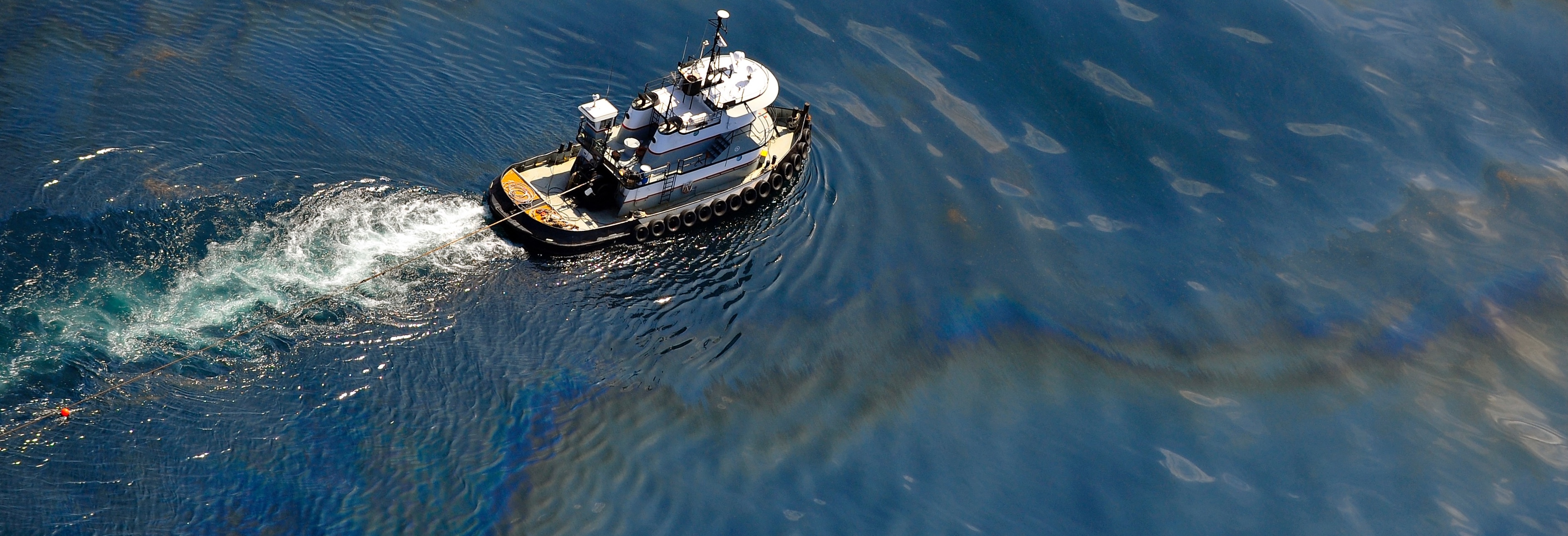
Interactive Webinar Series
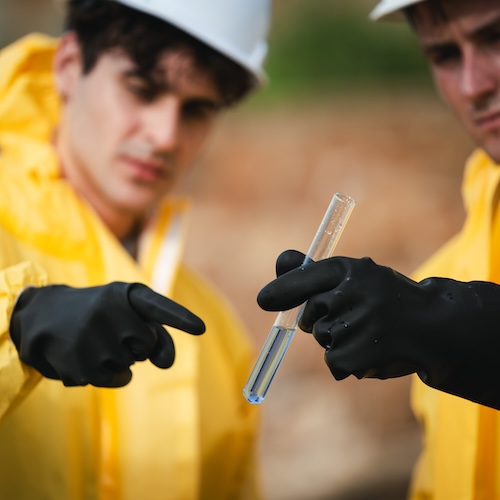
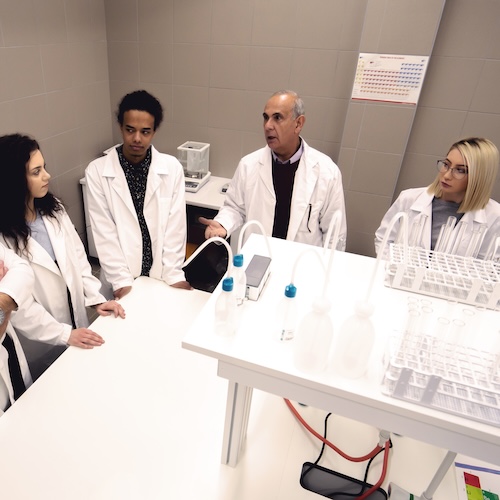
This free, interactive webinar series equips early-career researchers from across disciplines with knowledge for conducting rigorous, coordinated, and community-centered research in the wake of an oil spill. Participants will develop and strengthen foundational skills, including:
- Understanding ethical, logistical, and safety considerations in oil spill research;
- Collaborating with Gulf-based partners and other experts;
- Designing and implementing interdisciplinary, community-informed studies; and
- Sharing valuable data and findings with key audiences and partners.
Webinars will feature talks and opportunities to interact with senior researchers, decision-makers, and community leaders involved in the research response to the Deepwater Horizon and Exxon Valdez oil spills. The first 60-minute kickoff session is followed by six 90-minute interactive sessions each month.
The 7-part interactive webinar series launches September 17, 2026. Register now using the links below!
Sessions will be held live online and recorded for future viewing. Click the tiles below to learn more about each webinar’s topic, speakers, and activities.

The Next Generation Oil Spill Researchers Community of Practice is funded by the Gulf Research Program at the National Academies of Sciences, Engineering, and Medicine (Award #SCON-10001452). Opinions, findings, conclusions, or recommendations produced through this initiative are those of the authors and do not necessarily reflect the views of the Gulf Research Program or Natural Hazards Center.