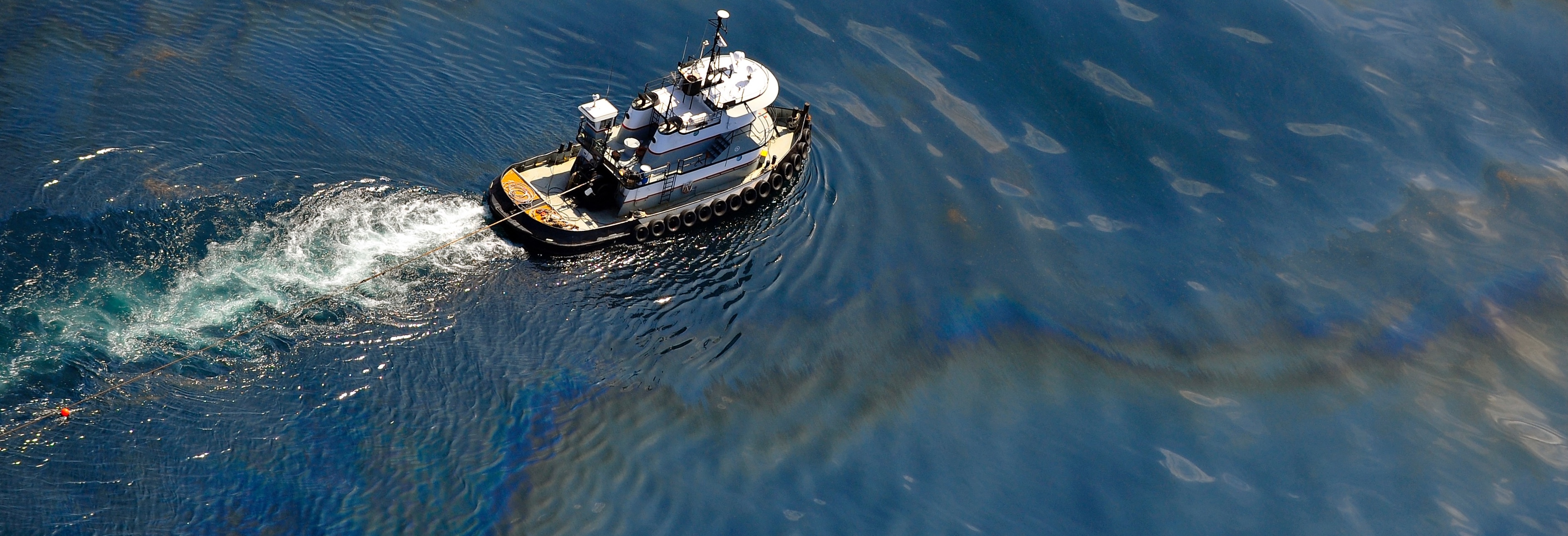
Studying the Deepwater Horizon Oil Spill
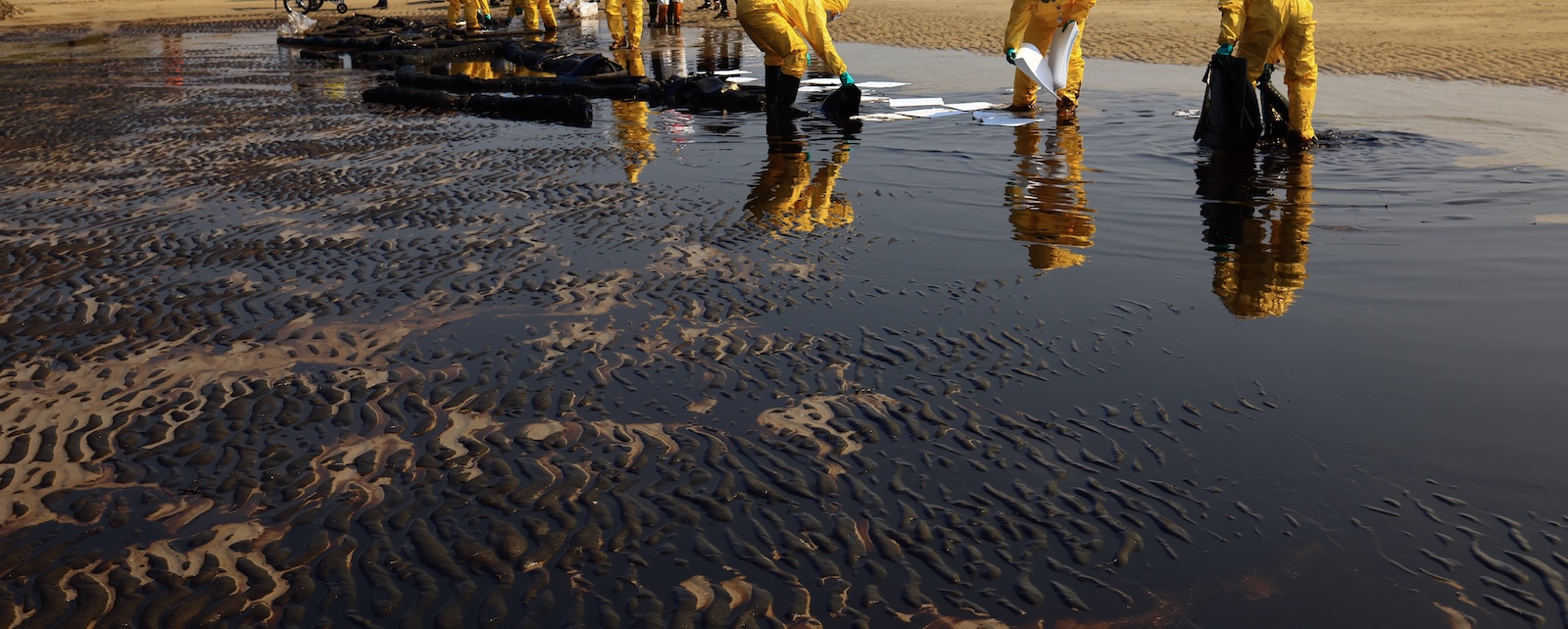 Volunteers clean up oil slick washed up on a sand beach. Source: Shutterstock.
Date: Thursday, October 8, 2026
Time: 1:00 to 2:30 p.m. CT / 2:00 to 3:30 p.m. ET
Webinar Description
The 2010 Deepwater Horizon disaster triggered far-reaching and interconnected health, environmental, and economic crises across the Gulf region. This session will examine key lessons learned from more than a decade of research on the only Spill of National Significance declared in U.S. history. The panel will examine the short- and long-term health impacts of the spill on people of the Gulf, explore how the disaster reshaped the region’s natural and built environments, and highlight the economic consequences for fisheries, tourism, transportation, and other Gulf industries. Together, the speakers will discuss how these overlapping impacts compounded vulnerabilities across Gulf communities and continue to influence the region’s recovery and resilience efforts. The session will conclude with time for Q&A and discussion.
This webinar will be recorded and posted on the Natural Hazards Center website after the event. You can learn more about the Next Generation Oil Spill Researchers community of practice here. Please remember to sign up for future webinars and free resources here.
Speakers

Learning Outcomes
- Explore foundational studies and available datasets related to the Deepwater Horizon oil spill.
- Understand how overlapping and cascading impacts of the spill compounded existing social, environmental, and economic vulnerabilities in the Gulf region.
- Identify how research findings from Deepwater Horizon have informed recovery, resilience, and future oil spill preparedness efforts.
- Recognize research priorities for future oil spill studies.
Prepare Ahead
- Read Compounding Disasters in Gulf Coast Communities, 2020-2021: Impacts, Findings, and Lessons Learned
- Read Human Health and Socioeconomic Effects of the Deepwater Horizon Oil Spill in the Gulf of Mexico
Additional Suggested Readings and Resources
- Next Generation Oil Spill Researchers Annotated Bibliography (coming soon)
The Next Generation Oil Spill Researchers Community of Practice is funded by the Gulf Research Program at the National Academies of Sciences, Engineering, and Medicine (Award #SCON-10001452). Opinions, findings, conclusions, or recommendations produced through this initiative are those of the authors and do not necessarily reflect the views of the Gulf Research Program or Natural Hazards Center.