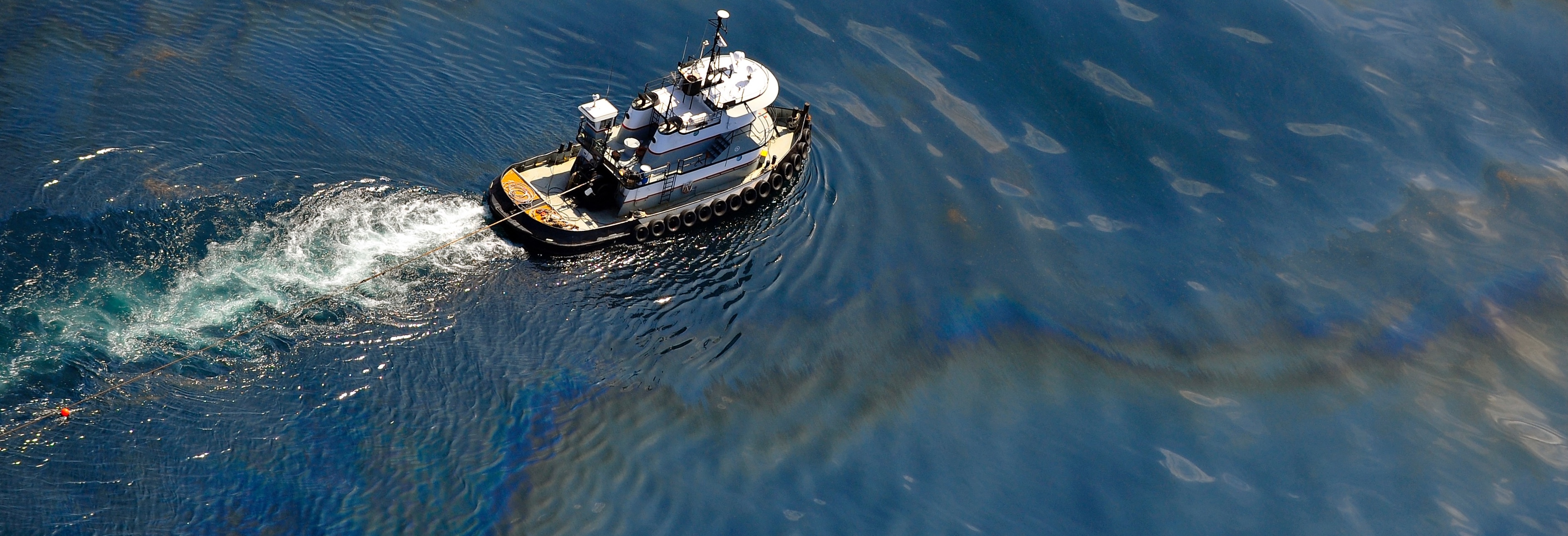
Conducting Community-Centered and Place-Based Research
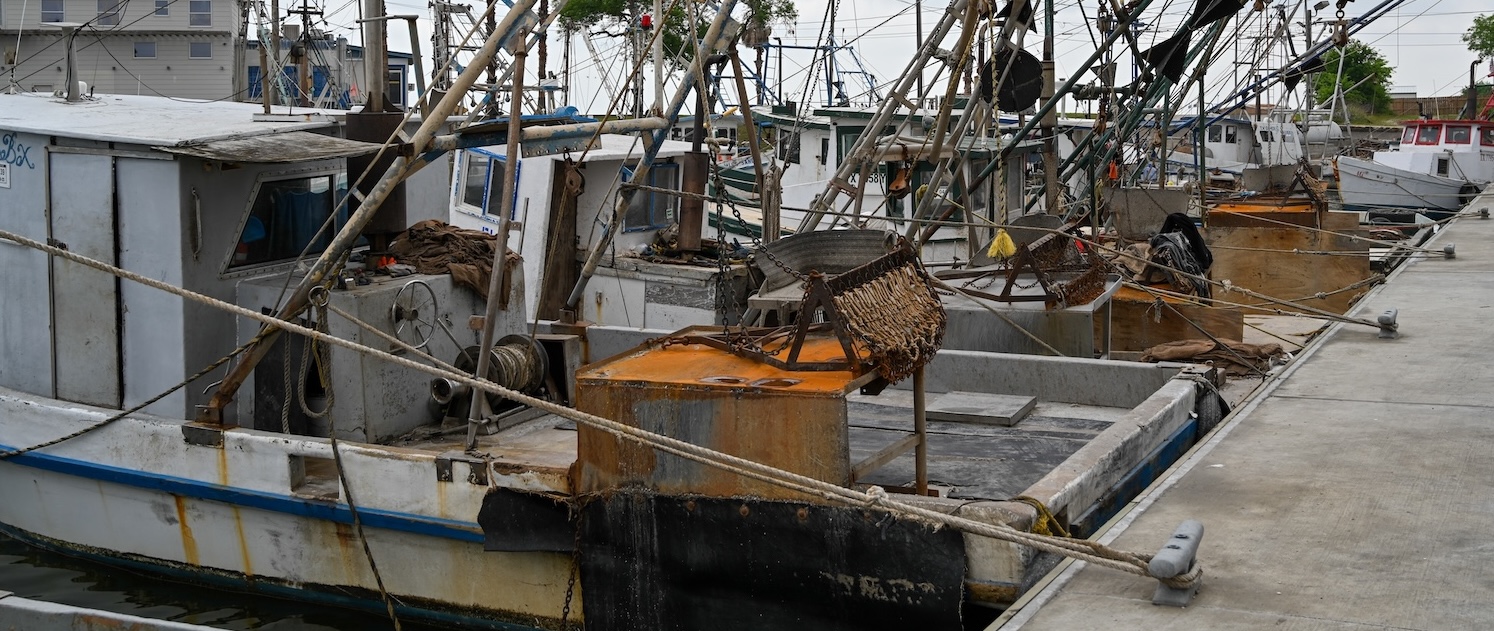 Oyster boats docked on Gulf waters. Source: Shutterstock.
Date: Thursday, November 12, 2026
Time: 1:00 to 2:30 p.m. CT / 2:00 to 3:30 p.m. ET
Webinar Description
This session will explore approaches to conducting oil spill research that is centered on community priorities and attentive to local geographic and cultural context. Speakers will discuss strategies for building sustained and trusting relationships with Gulf Coast communities, designing research that responds to local environmental, health, and economic concerns, and translating findings in ways that support community well-being. The discussion will also examine how partnerships among researchers, practitioners, coastal community members, and decision-makers can strengthen community-centered research and support more effective and equitable resilience outcomes. Together, the speakers will highlight the importance of sustained community engagement and cross-sector collaboration in addressing the complex and co-occurring impacts of oil spills. The session will conclude with time for Q&A and discussion.
This webinar will be recorded and posted on the Natural Hazards Center website after the event. You can learn more about the Next Generation Oil Spill Researchers community of practice here. Please remember to sign up for future webinars and free resources here.
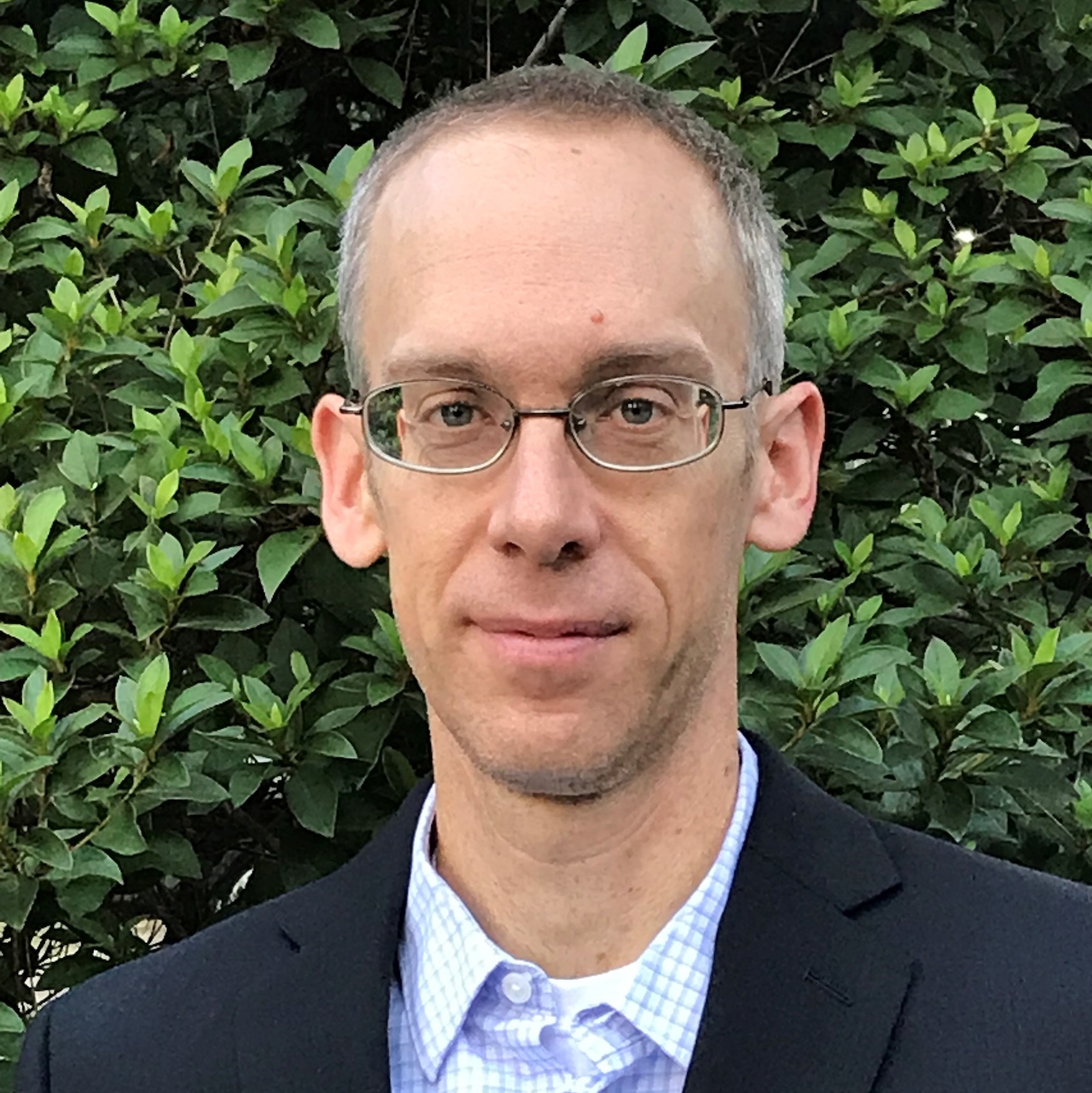
Speakers
Learning Outcomes
- Learn strategies for building sustained and trusting community-based relationships.
- Understand how to design research that responds to local environmental, health, and economic concerns.
- Identify ways to translate findings into evidence-based preparedness, response, and recovery.
- Recognize how community-based partnerships can strengthen the quality and relevance of oil spill research.
Prepare Ahead
- Review Sea Grant in the Gulf of America Oil Spill Science
- Complete CONVERGE Broader Ethical Considerations for Hazards and Disaster Researchers Training Module
- Complete CONVERGE Reciprocity in Hazards and Disaster Research Training Module
Additional Suggested Readings and Resources
- Developing Partnerships with Socially Vulnerable Populations—CONVERGE Extreme Events Research Check Sheets Series
- NOAA RESTORE Science Program Co-Production Examples and Tools
- Research Counts Special Collection on Equity and Inclusion in Disasters
- Sustaining Partnerships with Socially Vulnerable Populations—CONVERGE Extreme Events Research Check Sheets Series
- Tips for Empathy, Understanding, and Ethical Research Engagement—CONVERGE Extreme Events Research Check Sheets Series
The Next Generation Oil Spill Researchers Community of Practice is funded by the Gulf Research Program at the National Academies of Sciences, Engineering, and Medicine (Award #SCON-10001452). Opinions, findings, conclusions, or recommendations produced through this initiative are those of the authors and do not necessarily reflect the views of the Gulf Research Program or Natural Hazards Center.