The Enabling Program: Round 6 Fellows
Sanam Aksha is an Assistant Professor of Emergency Management in the School of Public Administration at the University of Central Florida. His research lies at the intersection of natural hazards and society, applying geospatial analysis and modeling to understand the physical and social dimensions of hazard impacts. Aksha develops metrics to assess community vulnerability, resilience, and disaster recovery capacity, with particular attention to unequal impacts across places and populations. Aksha collaborates with federal, state, and local practitioners to improve data, evaluation, and program design for long-term recovery and resilient communities. Aksha teaches data visualization and applied research methods and mentors students in translating evidence into actionable tools for agencies and nonprofits.
Kristen Cowan is an Assistant Professor of Epidemiology and Environmental Health at the University at Buffalo and is a core faculty member of UB’s Center for Climate Change and Health Equity. She is a researcher whose work examines how climate-related disasters—including wildfires, hurricanes, and extreme heat—disproportionately affect minoritized populations, with particular focus on incarcerated individuals and others facing structural inequities. Her work spans post-disaster mortality, air pollution impacts, mental health effects of extreme heat and recently she has begun developing a new contextual, hazard-specific social vulnerability index. She is interested in turning research into policy recommendations and teaches public health focused courses including a disaster epidemiology course.

Shadya Davis is an interdisciplinary researcher whose work sits at the intersection of atmospheric sciences, Communication, and sociology. As a Research Assistant Professor in the Department of Geography at the University of South Carolina, she investigates prescribed fire and coastal flooding risk communication, examining how information types, message framing, and ethical frameworks influence decision-making across various hazard contexts. Trained in atmospheric and social sciences at Howard University and Purdue University, Dr. Davis is committed to ensuring meteorological advances translate into meaningful societal benefits. She joins the University of South Carolina's faculty as an Assistant Professor in Fall 2026.
Tess Doeffinger is an Assistant Professor in the Civil, Environmental, and Construction Engineering Department at The Citadel. She received her PhD in Geography and the Environment from the University of Oxford. She has a B.S. from Embry-Riddle Aeronautical University and a M.S. from Carnegie Mellon University, where she focused on sustainable design and the built environment. Her research is situated at the intersection of the coastal zone and the built environment and strives to understand how adaptation decisions are being made. She is also interested in water security across scales, which was the topic of her doctoral dissertation.
Fiona Doherty is an Assistant Professor at the University of Tennessee College of Social Work. She uses community-engaged research to elevate the voices and expertise of communities often excluded from risk and resilience planning, particularly underserved rural populations in Appalachia. She collaborates with residents and organizations to document place-based vulnerabilities and strengths, translating lived experiences into actionable policy recommendations. She investigates the contextual drivers of risk and resilience using a combination of place-based visual, spatial, and narrative data. Current projects employ intergenerational participatory photography and mapping, centering expertise across the lifespan to inform community-centered solutions.
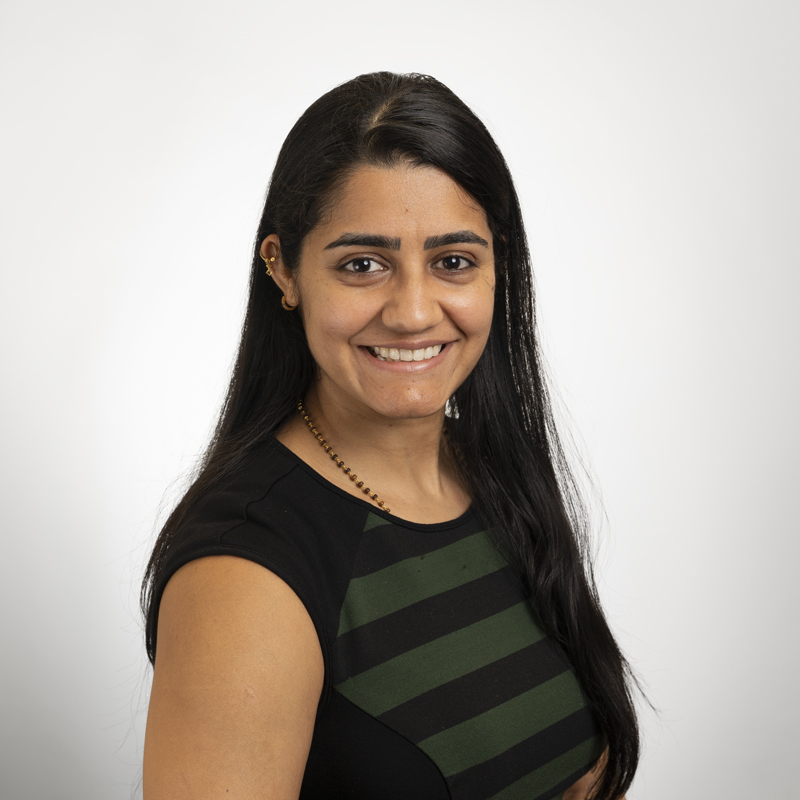
Ratna B. Dougherty is an Assistant Professor in the School of Public Affairs at University of South Florida. Her research focuses on governance, interorganizational social networks, and emergency management issues that impact local governments and public policy. She has published in journals such as Public Administration Quarterly, International Journal of Disaster Risk Reduction, and Natural Hazards. She is an American Society for Public Administration (ASPA) Founders Fellow (2023), and an Association for Public Policy Analysis and Management (APPAM) Equity and Inclusion Fellow (2024). Her work has been supported by the USF Humanities Institute and Natural Hazards Center Quick Response Research.
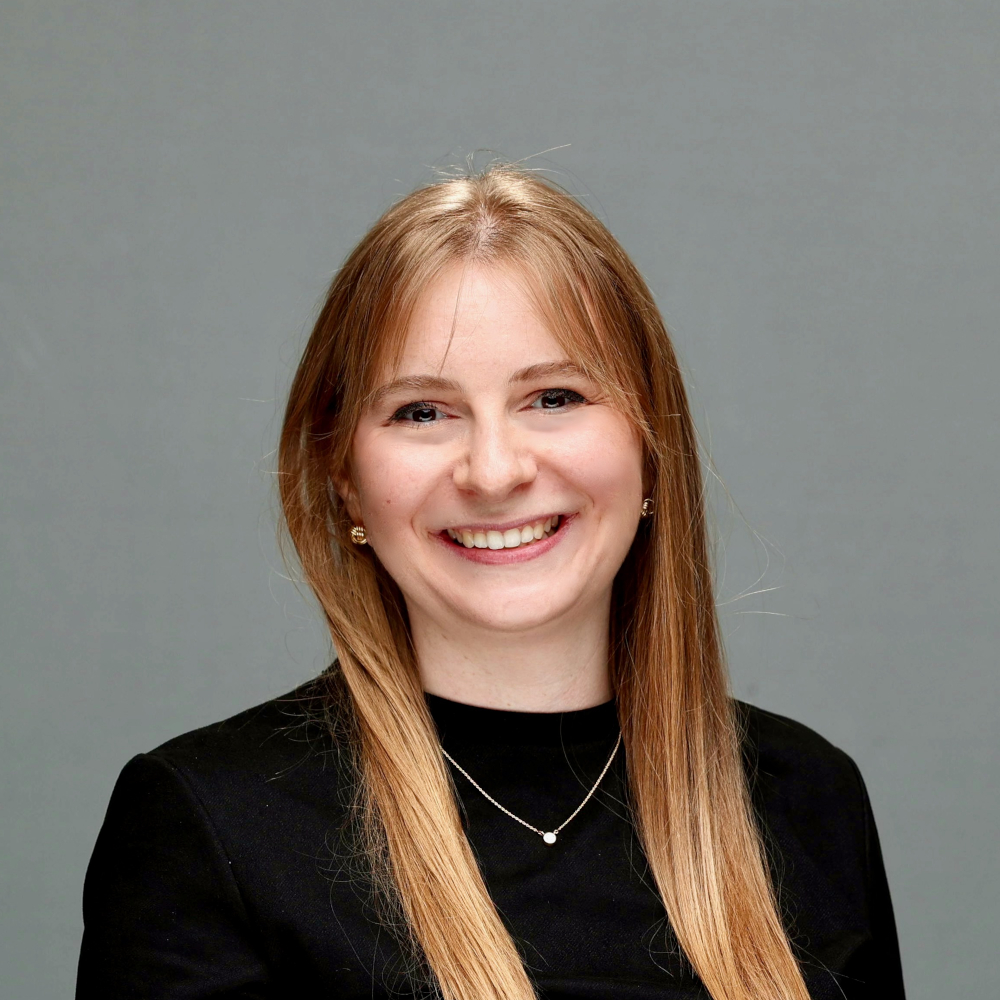
Rebecca Entress is an Assistant Professor of Public Administration at the University of South Carolina. She holds a Ph.D. in Public Affairs from the University of Central Florida and has extensive experience working in local and state government, as well as in large nonprofit organizations, prior to pursuing her doctorate.
Entress’s research specializes in emergency management and effective delivery of services. She has received several awards, including the William J. Petak Award for Outstanding Paper in Emergency and Crisis Management and the American Society for Public Administration Founders Fellowship. Her work has been published in leading journals such as Public Administration Review, Administration & Society, and the International Journal of Disaster Risk Reduction.
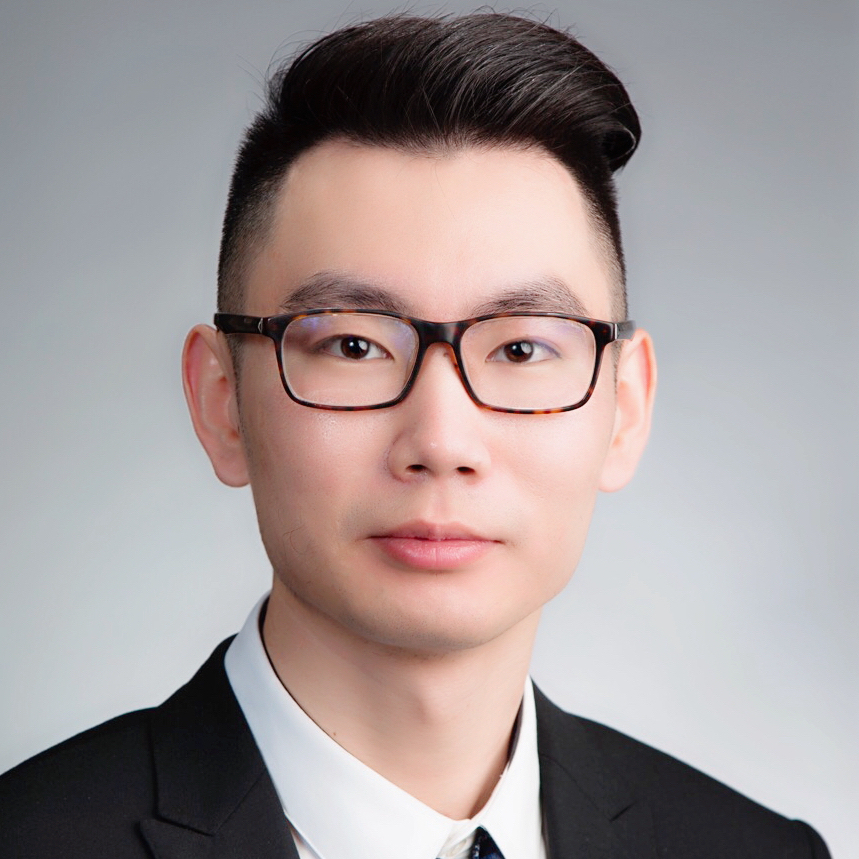
Chao Fan is an Assistant Professor of Civil Engineering at Clemson University. He received his Ph.D. from Texas A&M University and M.S. from University of California Davis. His research integrates infrastructure engineering and management with society-centered AI to enhance disaster resilience. Specifically, he focuses on modeling complex human behaviors with generative AI models and applying these models to optimize infrastructure operations in disaster preparedness, response, and recovery processes. In his teaching, he aims to equip the next generation of engineers with interdisciplinary skills, merging data science with infrastructure engineering to solve socio-technical hazard challenges.
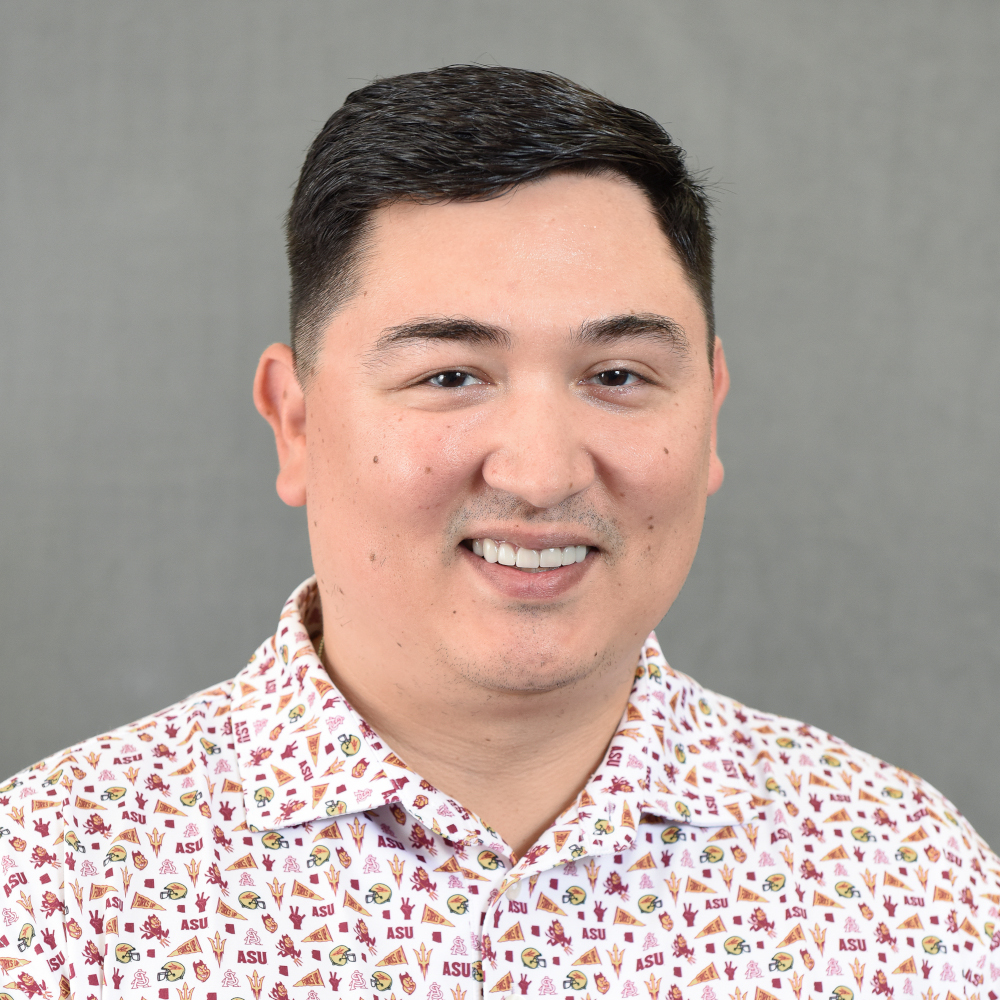
Aaron Flores is an Assistant Professor in the School of Geographical Sciences and Urban Planning at Arizona State University. He earned his B.A. and M.S. in Geography from Texas Tech University and completed his Ph.D. in Geography at the University of Utah. As a human-environmental geographer, his research examines the social dimensions of hazards and disasters, with a particular focus on distributional environmental justice. His work investigates disparities in exposure and vulnerability to flooding, heat, and air pollution. He integrates GIS, spatial analysis, and geospatial modeling to identify patterns of environmental risk and inform more equitable hazard mitigation.

Sarah Grajdura is an Assistant Professor of Civil & Environmental Engineering at Utah State University. Her research focuses on human-infrastructure systems resilience study, how people interact with infrastructure systems during hazards and disruptions, and how governance structures shape infrastructure performance, access, and reliability across communities. Her work integrates mixed-methods systems analysis, combining econometric modeling, simulation, and network analysis with qualitative and community-engaged research. I examine infrastructure justice and governance, including how institutional decisions, regulatory frameworks, and emerging technologies influence the distribution of risks and benefits within civil systems.

Austin Harris is an Assistant Professor in the School of Meteorology at the University of Oklahoma. Harris' scholarship involves modeling the societal impacts of weather and climate disasters. For example, he uses agent-based models to study the complex effects of hurricane forecasts and evacuation policies on evacuation outcomes. Austin previously worked as a Postdoctoral Research Fellow with the National Center for Atmospheric Research (NCAR), an Instructor with the Warning Decision Training Division (WDTD) of the National Weather Service, and as a Meteorologist (forecaster) with Innovative Weather.
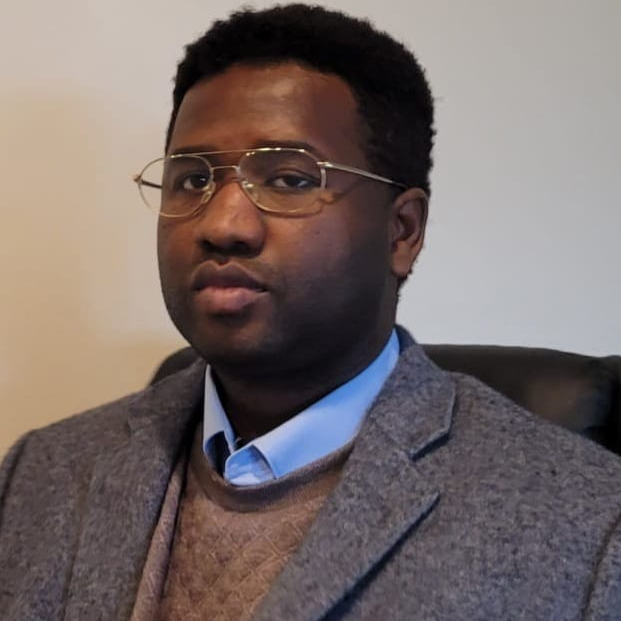
Chibuike Ibebuchi is an Assistant Professor in the Department of Mathematics, Morgan State University, with a joint appointment at the Center for Urban and Coastal Climate Science Research. His research focuses on disaster risk management through the application of AI/ML, geospatial analytics, and remote sensing. He investigates flood risk, extreme heat exposure, and biosurveillance risks associated with disease vectors and agricultural pests. His work emphasizes equity-aware risk assessment by integrating hazard dynamics with social vulnerability, population and real estate exposure, particularly in underserved communities. He develops decision-support tools that support early warning systems, climate adaptation planning, and community resilience.

Tasnim Isaba is a Postdoctoral Research Associate at the Hazard Reduction & Recovery Center at Texas A&M University. Trained as an urban planner, she completed her Ph.D. in City & Metropolitan Planning from the University of Utah. Her research focuses on land use governance, disaster recovery, and community resilience, using mixed-method approaches to examine how planning institutions influence long-term recovery and adaptation. This work has been supported by the Natural Hazards Center, National Oceanic and Atmospheric Administration, and Federal Emergency Management Agency. Her current work explores emerging wildfire management strategies in Texas and disaster preparedness and land retention in urban and rural heirs’ property communities. She currently teaches graduate-level Disaster Recovery Planning at Texas A&M and is committed to advancing equitable, interdisciplinary hazards research.
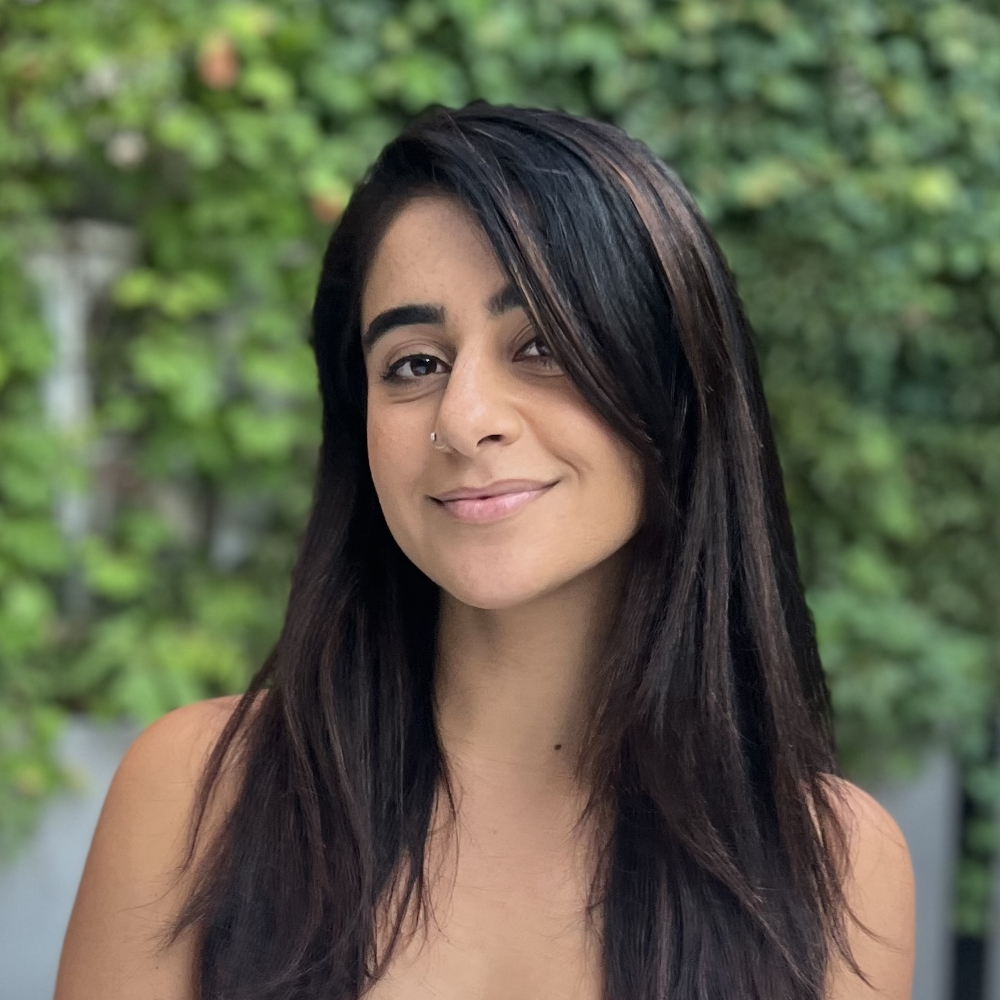
Amber Khan is an interdisciplinary disaster scholar whose research explores community-led approaches to climate adaptation and disaster resilience. As a postdoctoral scholar at the University of Washington, she is examining how community-stewarded land supports long-term resilience, as well as how mutual aid functions as an informal, grassroots disaster risk reduction strategy. Together, these projects examine how locally-governed systems offer scalable alternatives to dominant, top-down disaster governance models while strengthening social, economic, and environmental resilience. In her forthcoming role as a Marie Skłodowska-Curie fellow in Portugal, Khan's research will explore land stewardship approaches for building resilience across European ecovillages.

Jennifer Lawrence is an Assistant Professor of Urban + Environmental Planning at the University of Virginia. Her research examines how global political economic systems shape environmental disaster, health outcomes, and community resilience. Grounded in frontline geographies of fossil fuel production her research explores contradictions between dominant logics, discourses, and practices of governance and the material impacts, embodied effects, and lived experiences for people and place. Dr. Lawrence’s teaching and scholarship emphasizes systems analyses of extractive practices and patterns through the lens of both chronic and acute disasters while also asking how resilience can become a politics of possibilities.
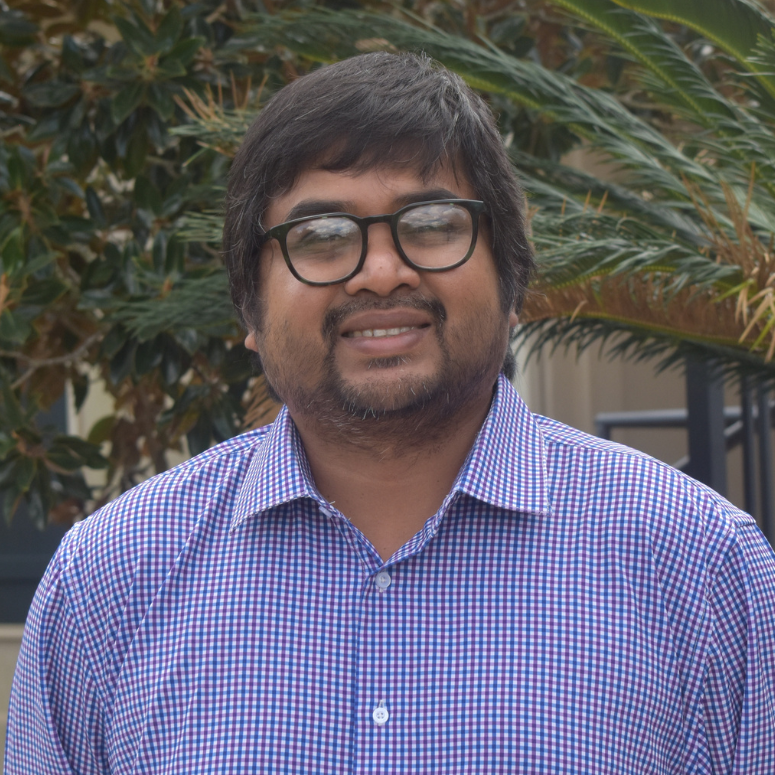
Rubayet Bin Mostafiz is an Assistant Professor Research and Assistant Director (Research) at the LaHouse Research and Education Center, Louisiana State University Agricultural Center (LSU AgCenter). His work focuses on natural hazards, disaster risk reduction, and community resilience. He integrates engineering, geospatial analysis, and data driven modeling to better understand the impacts of hurricanes, flooding, and coastal changes on vulnerable communities and critical infrastructure. Dr. Mostafiz collaborates extensively with interdisciplinary teams to advance equitable, evidence based hazard mitigation strategies. Supported by federal and state agencies, his research aims to develop innovative approaches that strengthen resilience and inform policy for at risk populations.
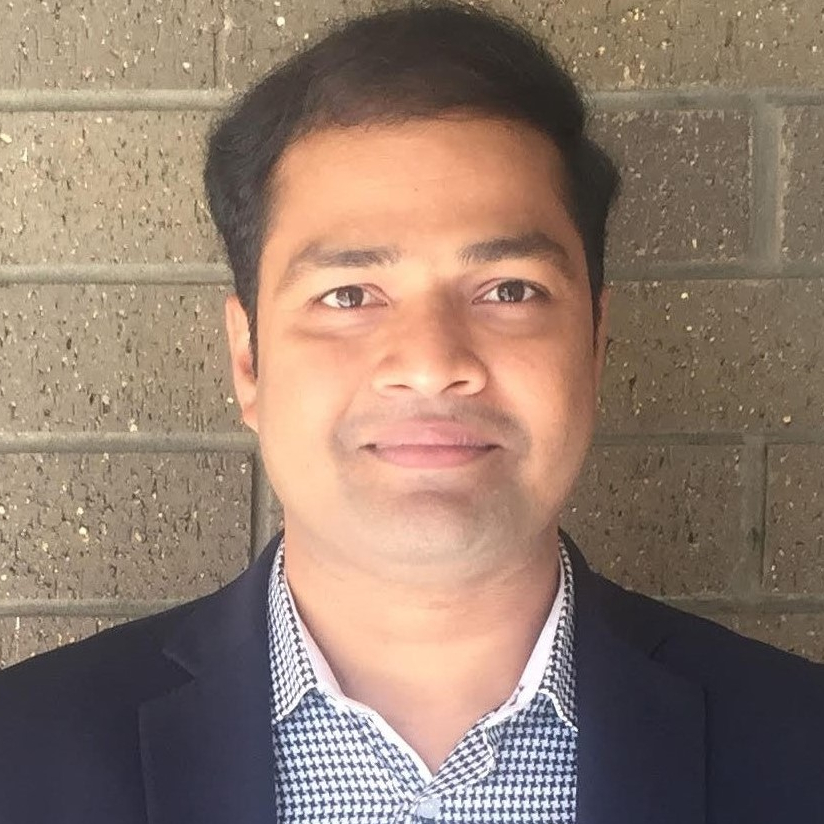
Sarbeswar Praharaj is an Assistant Professor at the University of Miami, with dual appointments in the Department of Geography and Sustainable Development and the School of Architecture. He serves as Director of the Master of Professional Science in Urban Sustainability and Resilience, an interdisciplinary, STEM- designated program that prepares scholars and practitioners to plan for sustainable and resilient urban futures amid accelerating environmental change. Dr. Praharaj Chairs the Smart Cities Miami Conference, an international platform for dialogue on emerging urban technologies and innovation. He is also a Faculty Affiliate with the Climate Resilience Institute, convening university-wide collaborative science initiatives.
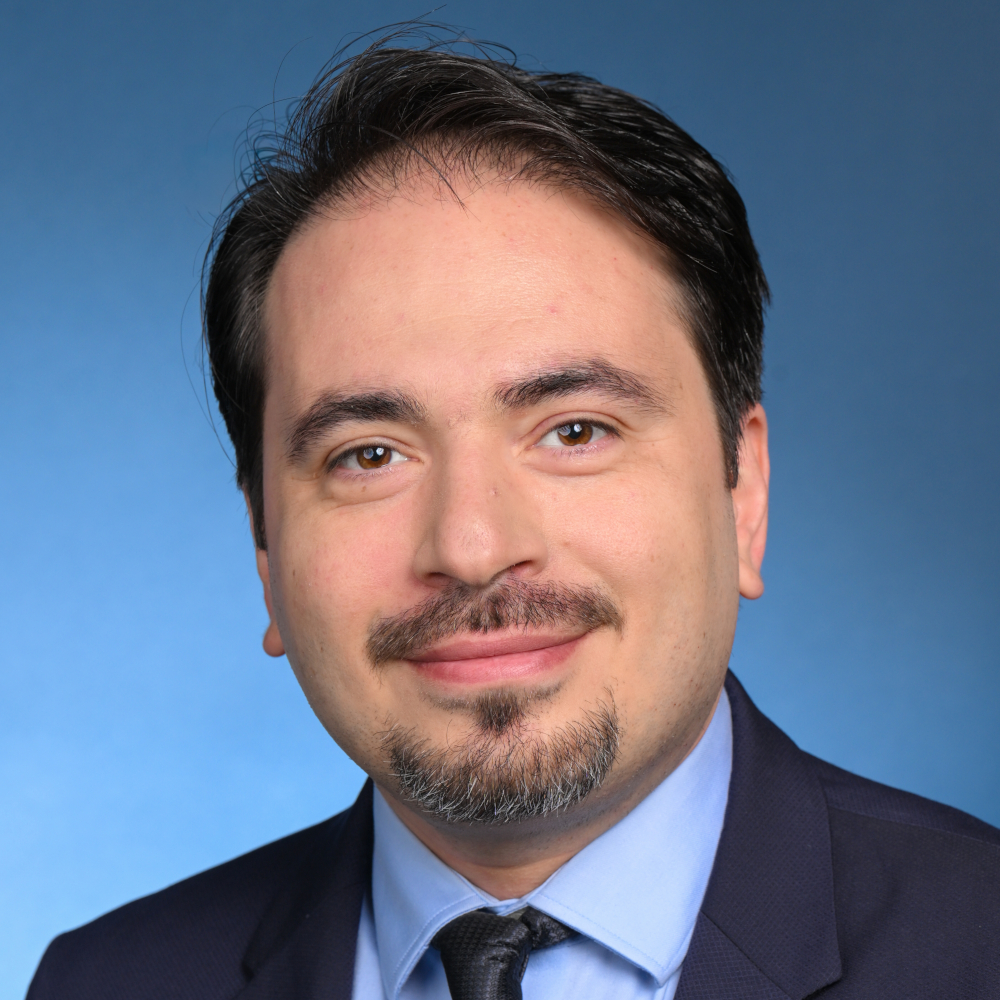
Sina Razzaghi Asl is an Assistant Professor in the Department of Political Science and Geography at Old Dominion University, where he leads The Asl Research Group and is a faculty affiliate at the Institute for Coastal Adaptation and Resilience (ICAR). His research bridges hazards geography and nature-based solutions, using geospatial data science, remote sensing, and spatial statistics to examine disaster vulnerability across scales. He has published over 30 peer-reviewed articles. He holds a Ph.D. in Landscape from Iran University of Science and Technology and a Ph.D. in Geography from Temple University and previously was a postdoctoral researcher at Princeton University’s C-PREE.
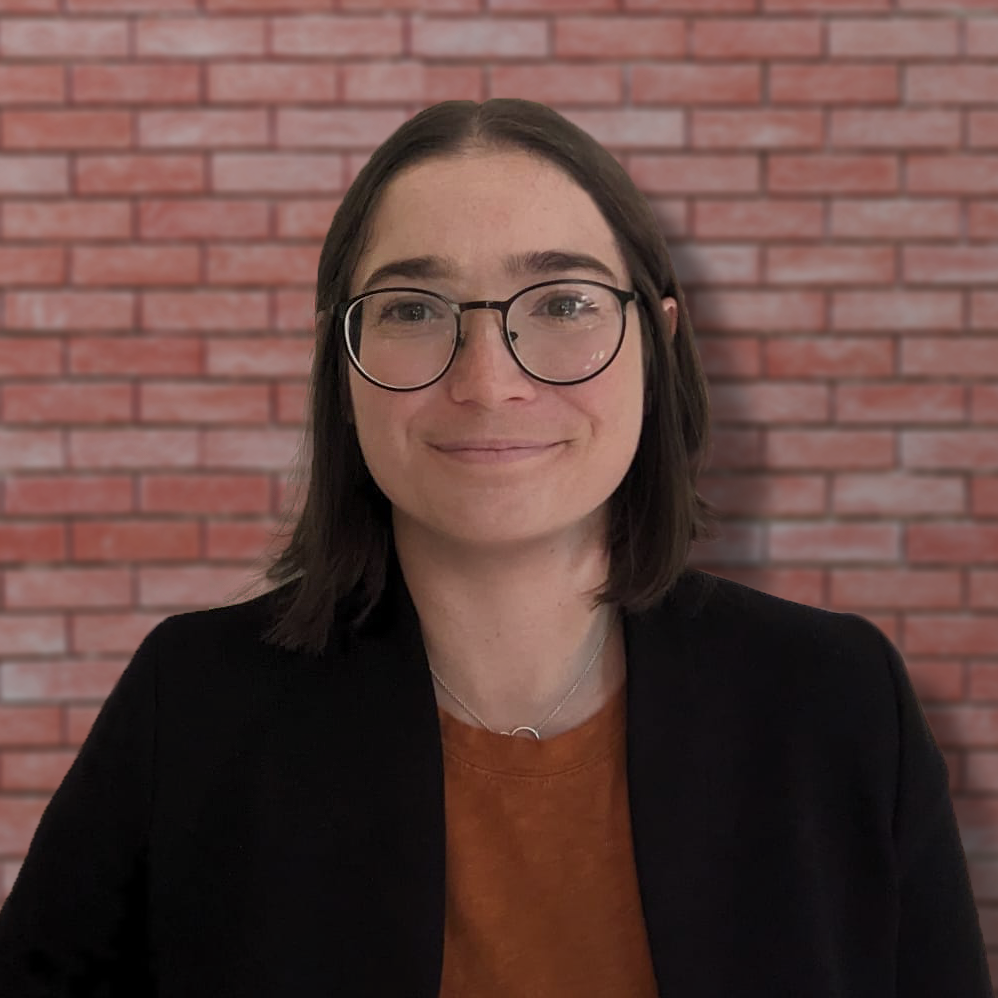
Nora Louise Schwaller is an Assistant Professor in the Department of Urban Studies and Planning at the University of California, San Diego. Her research examines how households, communities, and institutions respond to climate-related hazards, with particular attention to post-disaster migration, adaptation decision-making, and the governance of hazard mitigation programs. Using spatial and quantitative methods, she investigates how policy implementation shapes population change following disasters and increasingly examines how private actors and housing markets affect post-disaster housing transactions and homeownership patterns. She teaches courses on natural hazards planning and climate action policy.
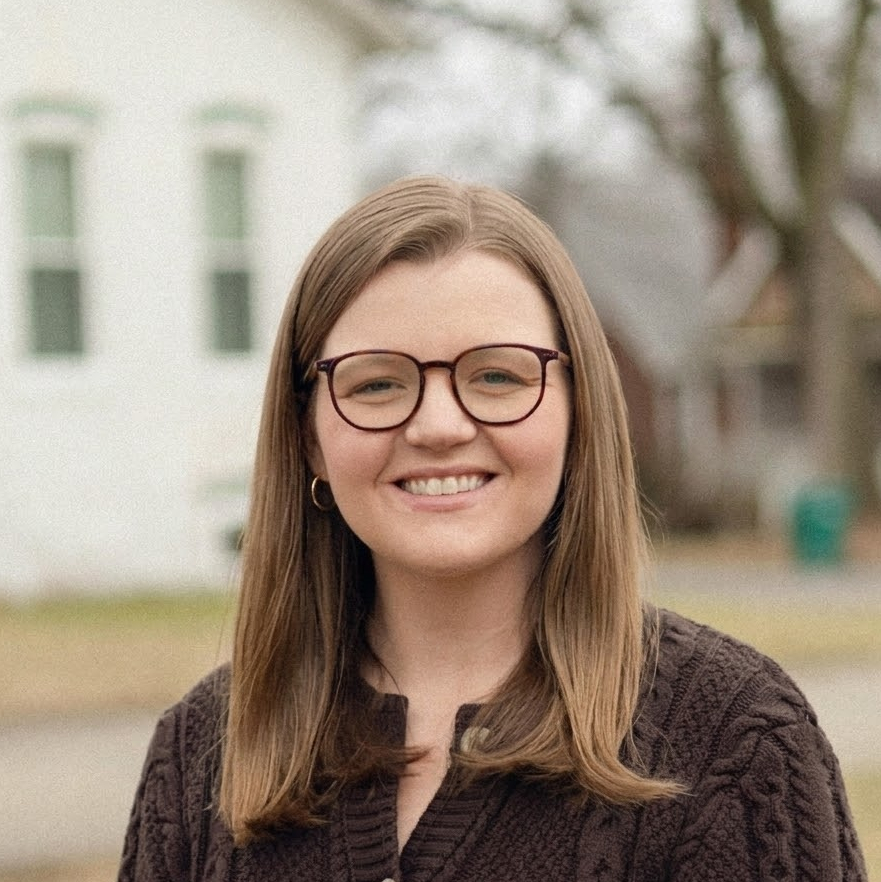
Jenna Tyler is a Research Scientist at the University of Virginia’s (UVA) Center for Public Safety and Justice. Her research focuses on implementation and outcome evaluation, risk reduction and management, and evidence-informed decision making. At UVA, she leads the Center’s research portfolio and conducts applied research on issues such as police liability risk and public safety leadership development. Prior to joining UVA, she was a Senior Researcher at Fors Marsh, where she led evaluations of Federal Emergency Management Agency (FEMA) programs. Her research has been published in journals including Public Administration Review and Natural Hazards. She holds a PhD in Public Affairs from the University of Central Florida.