
The latest CONVERGE Training Module focused on Older Adults in Disasters is now available! Please join us on July 9, 2026 from 12:00 to 12:30 p.m. MDT for a demonstration webinar.
Natural Hazards Center News

June 26, 2026
The new Natural Hazards Center Solutions Fund supports and amplifies evidence-based solutions to reduce disaster risk and create a safer, more just and resilient, world.
June 3, 2026
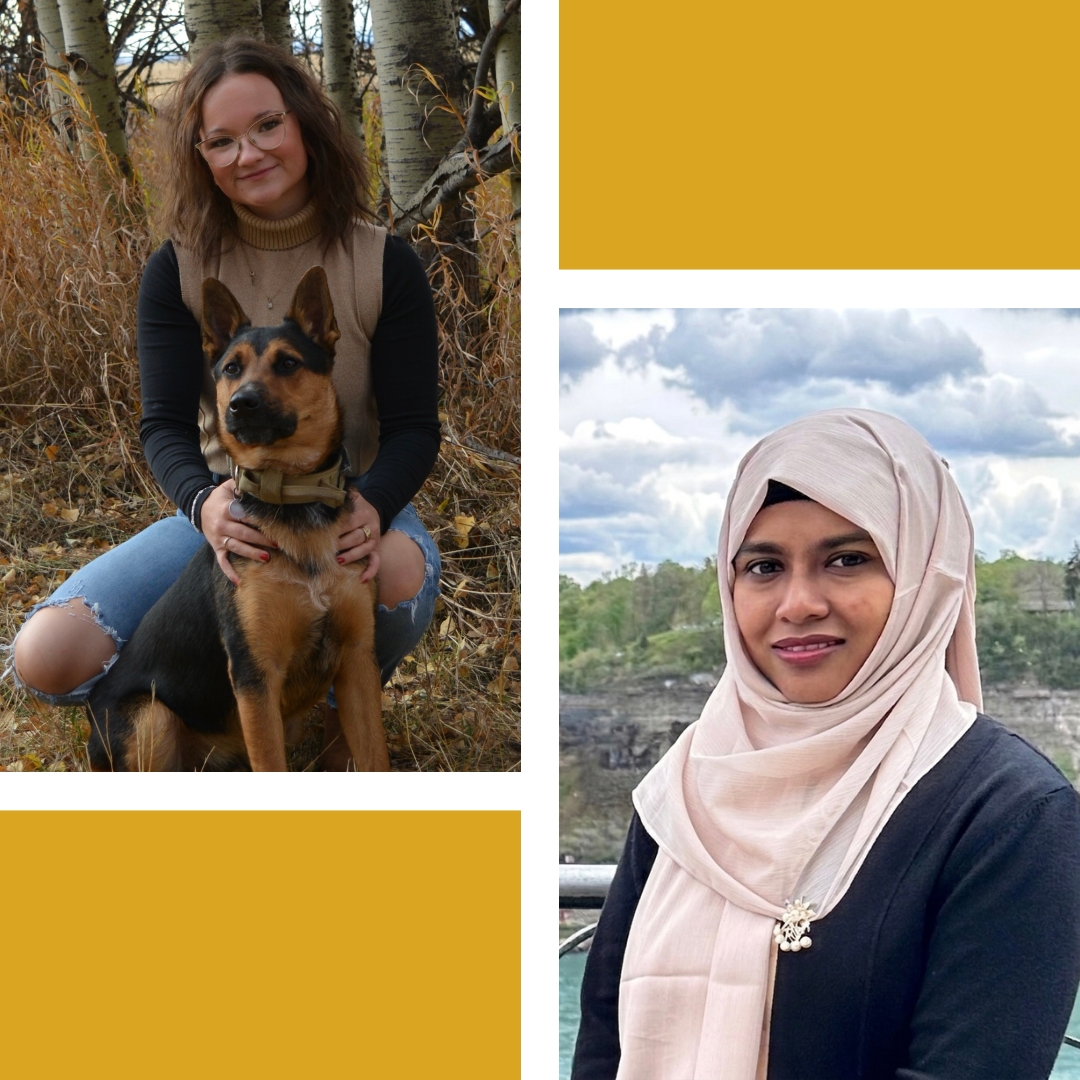
The Natural Hazards Center is pleased to introduce Kylie-Anne MacLeod and Mayesha Shams as the winners of the 2026 Student Paper Competition.
June 2, 2026
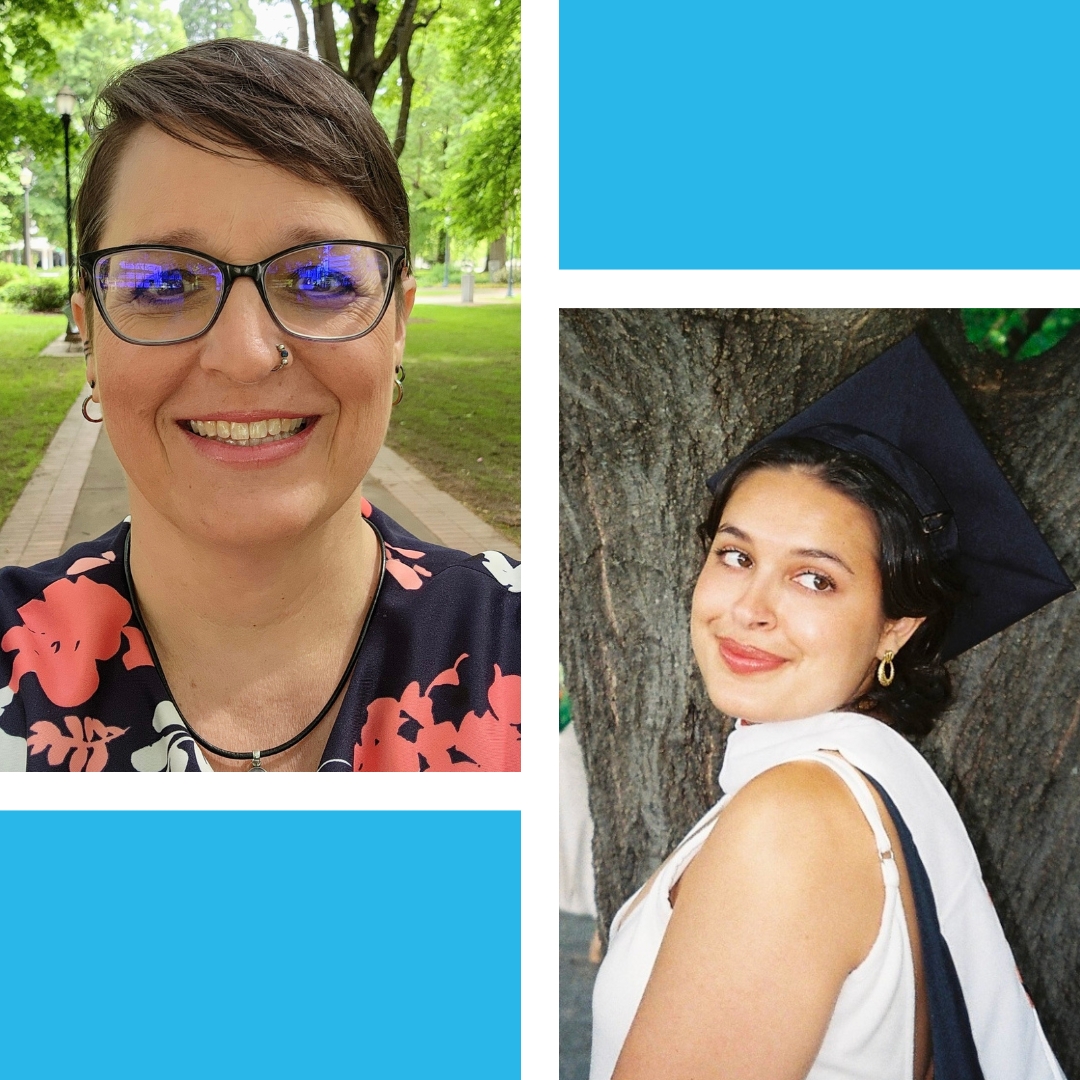
The Natural Hazards Center is pleased to introduce Erin Taylor and Elan Tulberg as the recipients of the 2026 Disability and Disasters Award.

June 2, 2026
The Natural Hazards Center is pleased to introduce Taiwo Ogunwumi as the recipient of the 2026 Mary Fran Myers Scholarship.
May 18, 2026
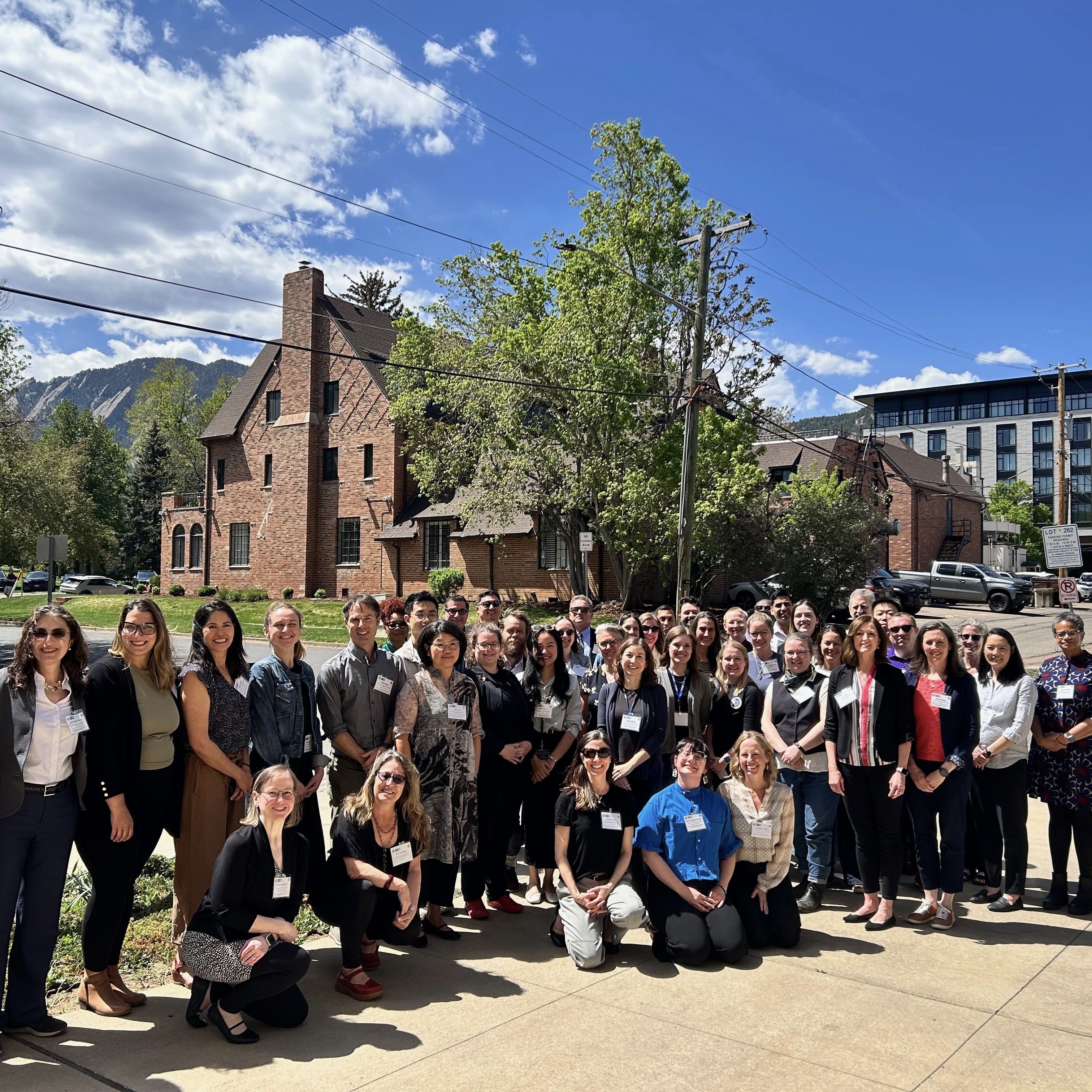
The Natural Hazards Center and the National Oceanic and Atmospheric Administration (NOAA) Weather Program Office recently convened a workshop to co-develop knowledge graphs for the advancement of social and physical science data integration to understand flood losses and protect communities.
April 7, 2026
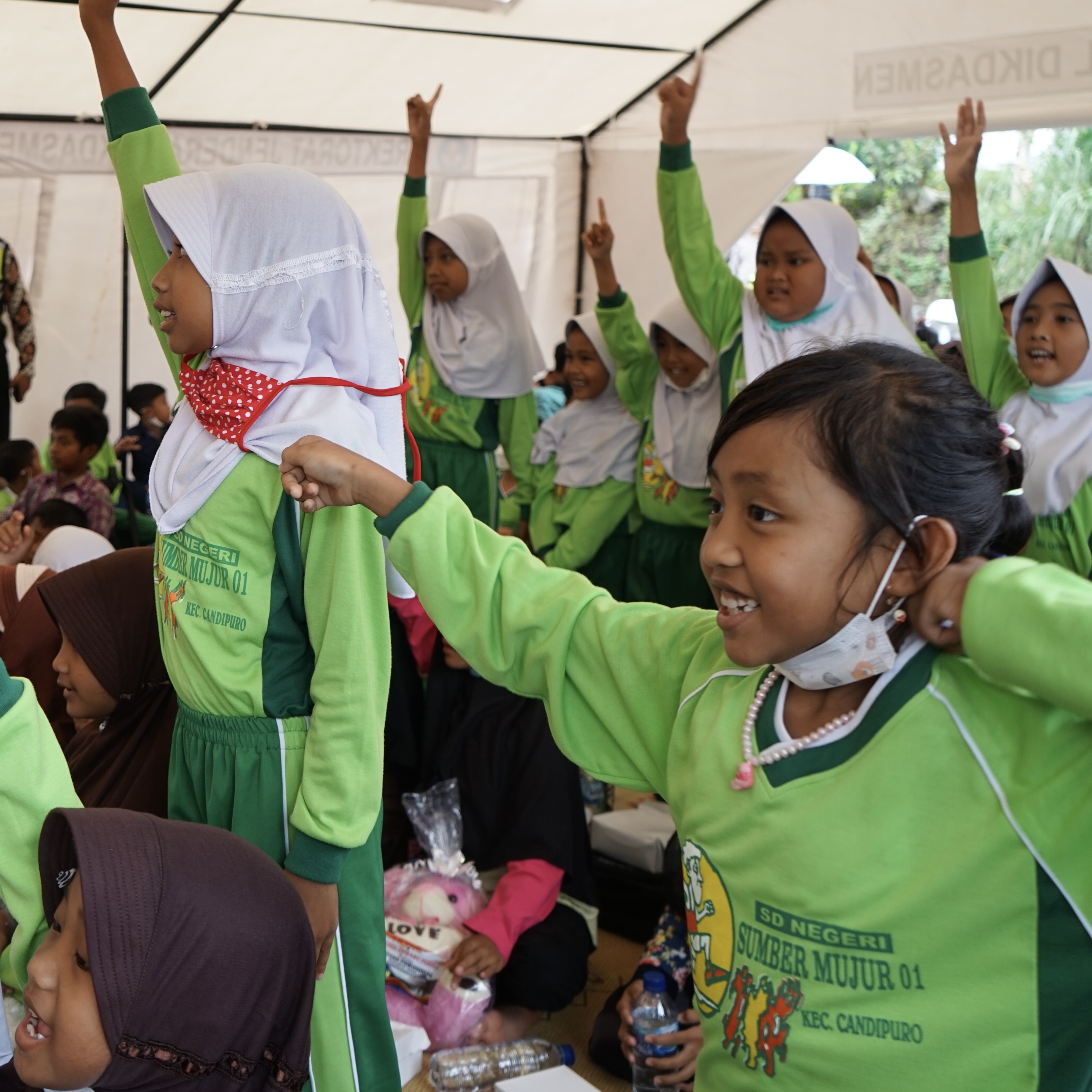
Lori Peek, director of the Natural Hazards Center, will present the next installment of the Institute of Behavioral Science Public Lecture Series with her talk, “Beyond Vulnerable Victims: How Kids Can Help During Disasters."
February 24, 2026
The University of Colorado Boulder's Research & Innovation Office (RIO) announced the inaugural Sustainability Research Initiative (SRI) Research Fellows cohort, which includes Natural Hazards Center director Lori Peek. This fellowship will serve as a year-long incubator designed to bring together CU Boulder researchers from across academic units, disciplines and career stages to imagine, collaborate and conduct research in new ways.
February 10, 2026
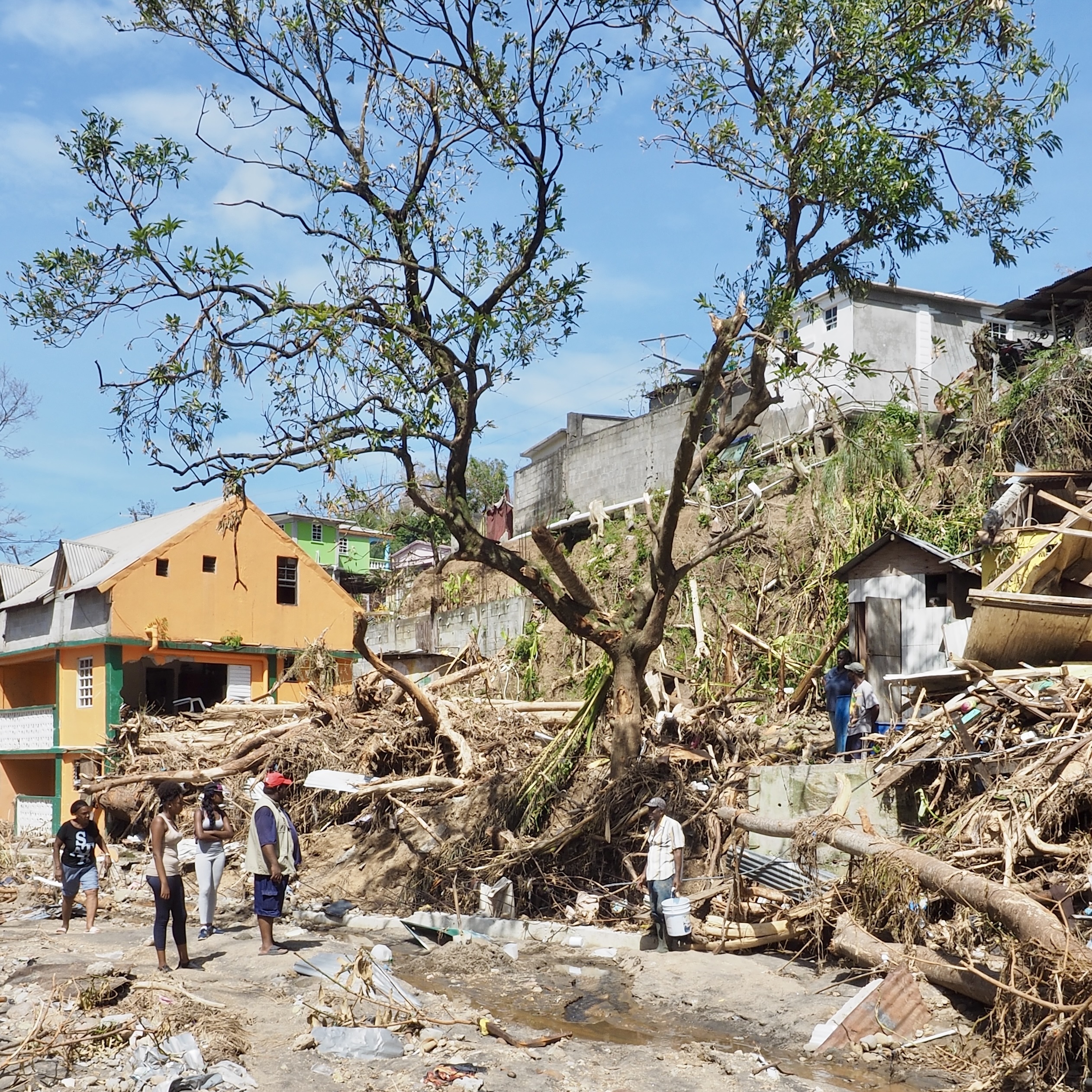
Learn more about specific historic disasters that have shaped the trajectory of the hazards and disaster field in this new webinar series.
February 9, 2026
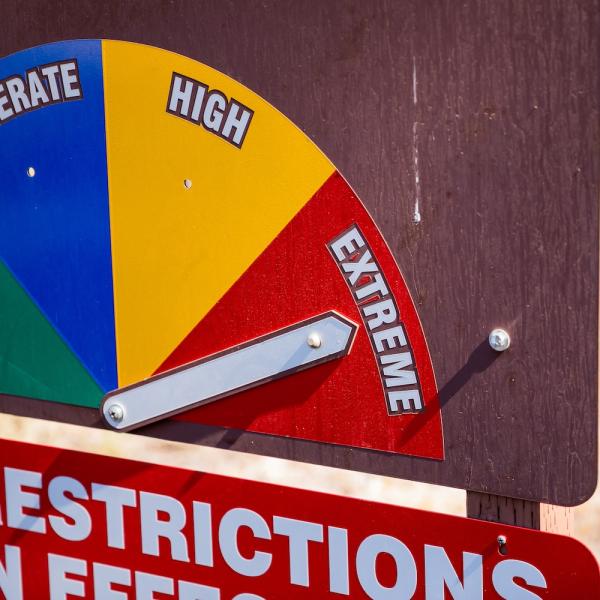
A new Natural Hazards Center project, funded by the National Oceanic and Atmospheric Administration (NOAA), seeks to understand how Colorado populations with limited-English proficiency—specifically Spanish, Chinese, and Vietnamese speakers—receive, perceive, and respond to emergency information about extreme weather events.