NSF Enabling Program Cohort 6 Mentors
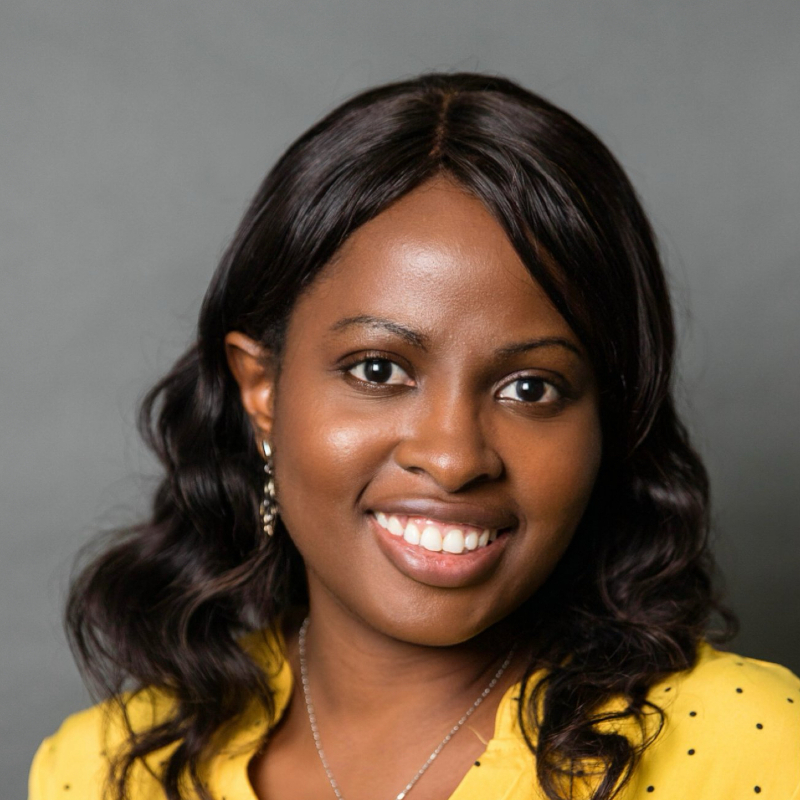
Jola Ajibade is a human-environment geographer and Associate Professor at Emory University whose research examines why and how climate-related hazards, cascading disasters, and climate solutions, such as resilience projects, managed retreat programs, tree-planting, blue-green infrastructure, floating cities, and energy projects, often reproduce unequal impacts and vulnerabilities across marginalized communities in both the Global South and Global North. Her work advances justice-centered approaches to climate adaptation, equitable resilience, and just energy transitions, with a particular focus on addressing environmental and systemic inequalities. As a scholar-activist, she collaborates with grassroots organizations, city experts, and global partners, integrating environmental justice and decolonial approaches into policy and practice. Operating across local to global scales, Dr. Ajibade integrates feminist, decolonial, and antiracist approaches alongside care and relational ethics to promote livable and sustainable futures. She has contributed to the IPCC Sixth Assessment Report and has consulted for UNEP and WHO–UNICEF WASH. Her award-winning research is widely published in leading academic journals such as Nature, Science, and PNAS, and is featured in major media outlets. She serves as Deputy Editor for Climatic Change and on the editorial board of Nature Communications Sustainability.
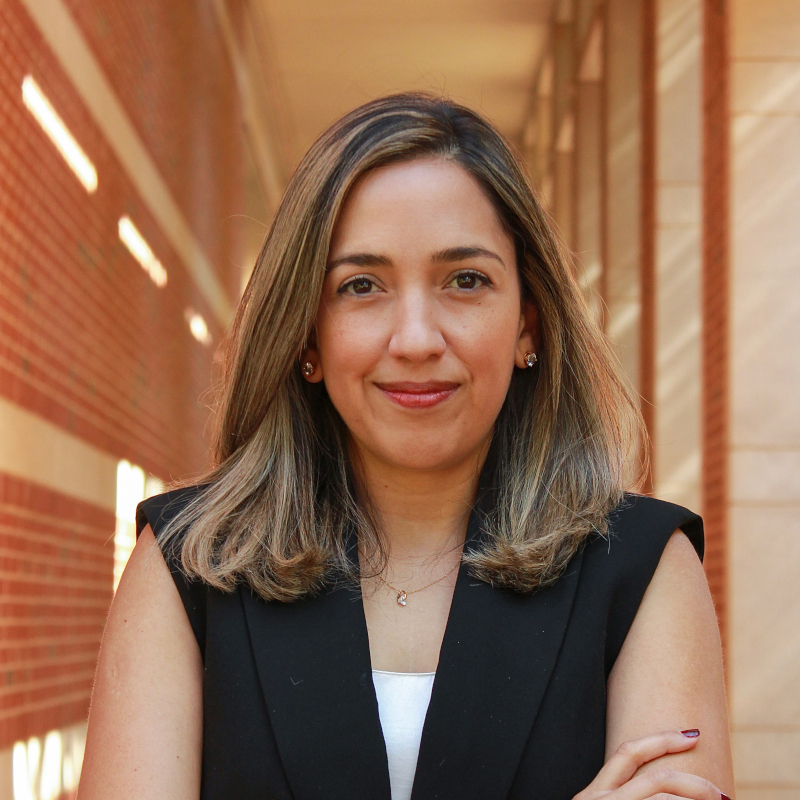
Ashly Cabas is an Associate Professor in the Department of Civil, Construction, and Environmental Engineering at North Carolina State University, where she leads the Geohazards and Earthquake Engineering Research Lab (GeoQuake). Her research team takes an interdisciplinary approach to the assessment of seismic hazards (including earthquake ground shaking and ground failure). She completed her undergraduate studies at Universidad Católica Andrés Bello (UCAB) in Caracas, Venezuela, and she earned her M.S. and Ph.D. in Civil Engineering at Virginia Polytechnic Institute and State University. Dr. Cabas’ research interests include fundamental aspects of seismic wave propagation and their practical implications on seismic hazards and infrastructure performance. Dr. Cabas is also the founder of the Earthquake Engineering and Seismology Community Alliance in Latin America and the Caribbean (E2SCALA), which aims to reduce seismic risks and educate the next generation of geoscientists and earthquake engineers in the region.
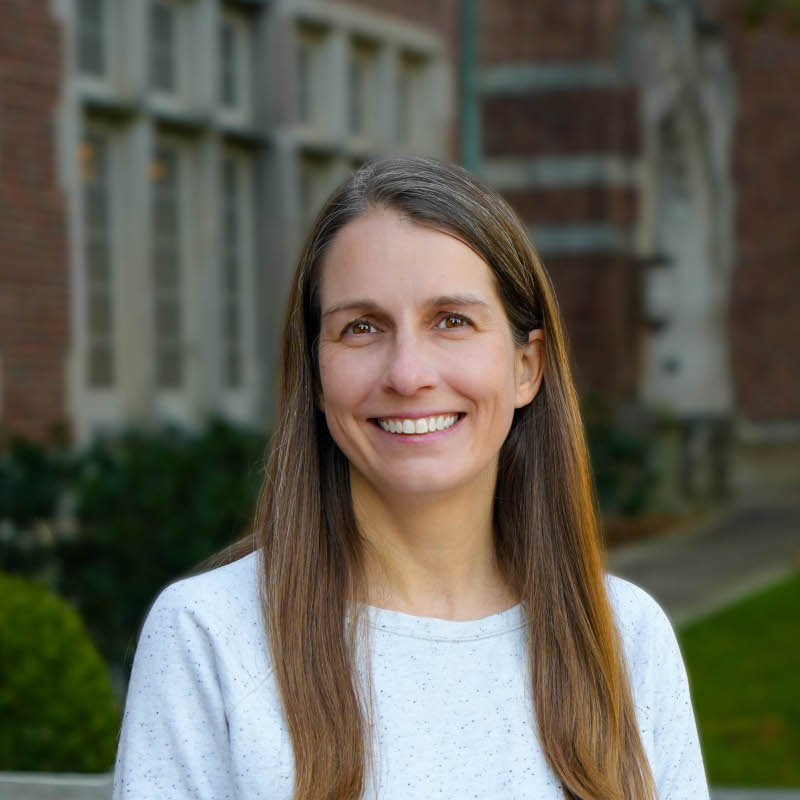
Kelsey Ellis is a Professor in the Department of Geography and Sustainability at the University of Tennessee, where she serves as Director of the Institute for Climate and Community Resilience. Her work is at the intersection of climatology, hazards, and society. In her research, she assesses the spatiotemporal patterns and trends of atmospheric hazards, including tropical cyclones, tornadoes, heat, flooding, and more. Additionally, her research often incorporates public risk perception, vulnerability, resiliency, and hazard impacts. She has spent much of the last decade studying how hazard risk and vulnerability change from day to night. She has worked in Research to Operations, specifically with the National Weather Service.
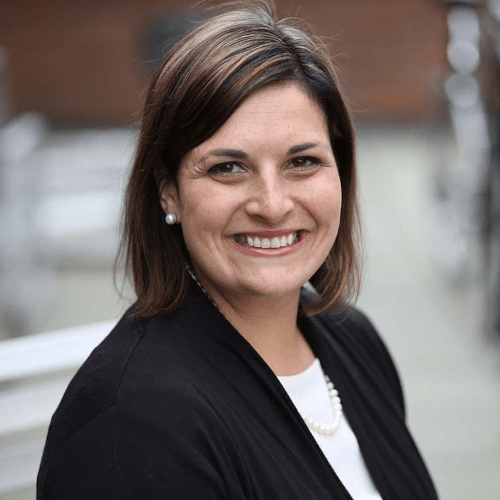
Nicole Errett is an Associate Professor of Environmental and Occupational Health Sciences and Director of the interdisciplinary Center for Disaster Resilient Communities at the University of Washington. Her research focuses on the development, implementation, and health impacts of policies and programs that aim to build resilience in the context of public health emergencies, disasters, and climate change. She works closely with public health practitioners, emergency managers, community-based organizations, and others to design and implement policy-relevant research that contributes to real-world solutions for pressing disaster, climate, and health problems. Her research leverages qualitative and survey methods, and she frequently collaborates on interdisciplinary teams. She is a member of the National Academies of Sciences, Engineering and Medicine's Forum on Medical and Public Health Preparedness for Disasters and Emergencies, co-chairs the National Institute of Environmental Health Sciences Disaster Research Response (DR2) Community of Practice, and co-leads the Public Health Extreme Events Research (PHEER) network. Dr. Errett previously served as the Special Assistant to the Assistant Secretary of Preparedness and Response at the US Department of Health and Human Services, the Policy and Legislative Director at the Baltimore City Mayor’s Office of Emergency Management and the Evaluation and Assessment Manager at the Northwest Healthcare Response Network. She holds a PhD in Health and Public Policy, an MSPH in Health Policy and a BA in Public Health Studies from the Johns Hopkins University in Baltimore, MD. She completed post-doctoral training in coastal community resilience at the University of British Columbia’s School of Community and Regional Planning in Vancouver, BC.
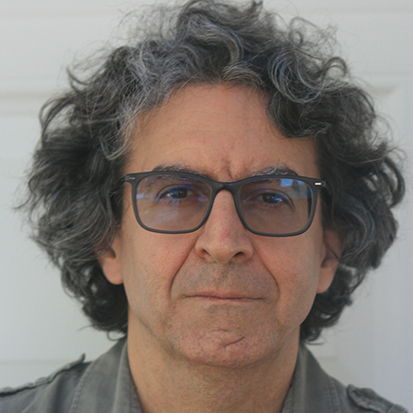
Burak Güneralp is an Associate Professor in the Geography Department at Texas A&M University. With an interdisciplinary background in systems analysis, environmental sciences, and human-environment geography, his research focuses on how urbanization interacts with broader socio-economic and biophysical changes across space and over time. Analysis of vulnerability and resilience of communities faced with socio-economic and environmental changes is an important component of his research agenda. The interdisciplinary research program he has been building on this theme focuses on the combined impacts of urbanization and climate change on vulnerabilities of urban communities to natural hazards. For the past two years, he has led a Study Abroad course in Germany and Sweden on planning and implementation of Nature-based Solutions to mitigate against and adapt to natural hazards in urban areas. He has published, to date, 62 peer-reviewed papers. He was identified in 2019 and 2025 as a Highly Cited Researcher by the Web of Science group. Burak has participated as editor, lead or contributing author to several high-profile global assessments. He is currently serving as a Coordinating Lead Author for the Intergovernmental Science-Policy Platform on Biodiversity and Ecosystem Services (IPBES) Methodological Assessment on Spatial Planning and Connectivity, as a Lead Author for the Intergovernmental Panel on Climate Change (IPCC) Seventh Assessment Report (AR7), and an expert on the Task Force on Scenarios and Modeling of the IPBES.
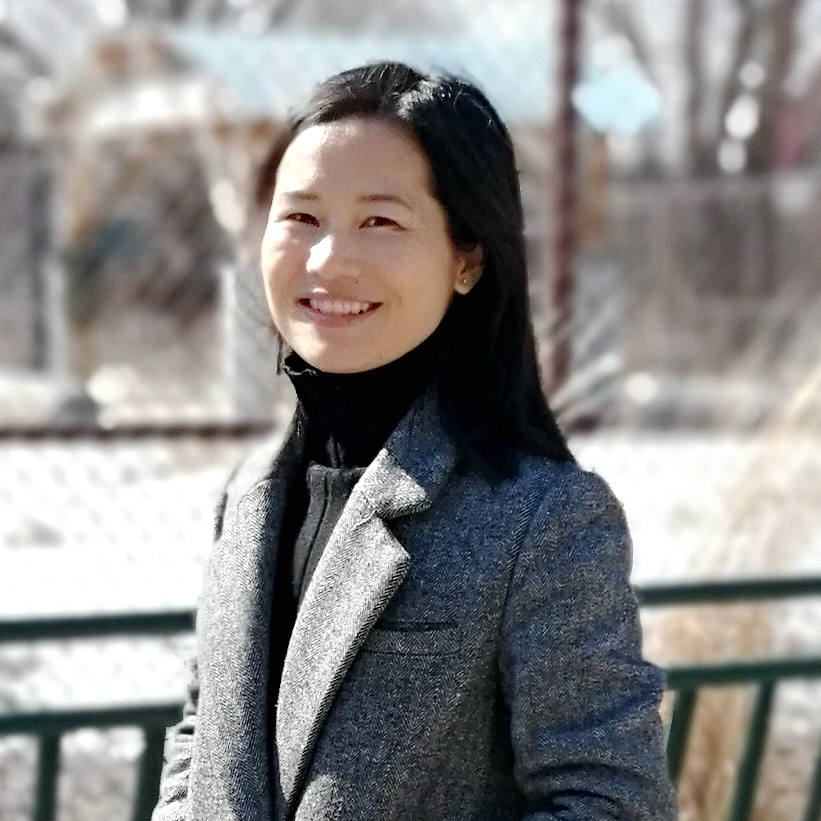
Qunying Huang is the H.I. Romnes Professor of Geography at the University of Wisconsin–Madison (UW-Madison), where she directs the Spatial Computing and Data Mining Lab. Her research focuses on geospatial data science, GeoAI, and remote sensing, with applications in natural hazards, environmental and social justice, urban informatics, and sustainable agriculture. She has authored over 100 peer-reviewed articles and edited seven books. Her research has received generous support from various federal agencies and foundations, including the National Science Foundation, National Institute of Food and Agriculture, Department of Energy, National Aeronautics and Space Administration, National Institutes of Health, NOAA Sea Grant, and the Wisconsin Alumni Research Foundation. As an enthusiastic instructor, Dr. Huang teaches courses in GIScience and geospatial data science that reach over 700 students annually at UW-Madison and enjoys mentoring students at all levels. She is a Fellow of the American Association of Geographers (AAG) and serves on the editorial boards of three international journals.
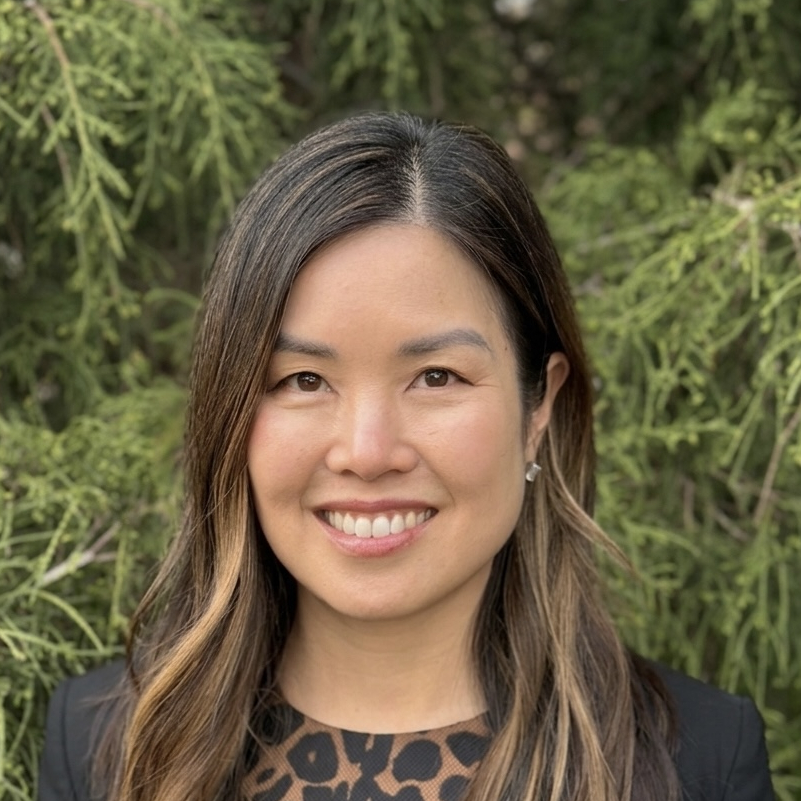
Betty Lai is a Professor in Counseling Psychology at Boston College. Lai’s research focuses on the impacts of the climate crisis and disasters on children. Her work has examined children's mental health symptoms, physical health symptoms, and school functioning following large-scale disasters. Lai is also dedicated to training the next generation of scholars. Lai’s book, The Grant Writing Guide: A Road Map for Scholars (Princeton University Press), includes strategies and insights gleaned from her interviews of scores of grant writing experts. She is also the author of the forthcoming book, How to Be a Public Scholar (Princeton University Press). Lai's research has been funded by the National Science Foundation, National Institute of Mental Health, and the National Academies of Sciences, Engineering, and Medicine. Her work has been recognized with awards from the American Psychological Association, the American Educational Research Association, and the American Psychological Foundation.
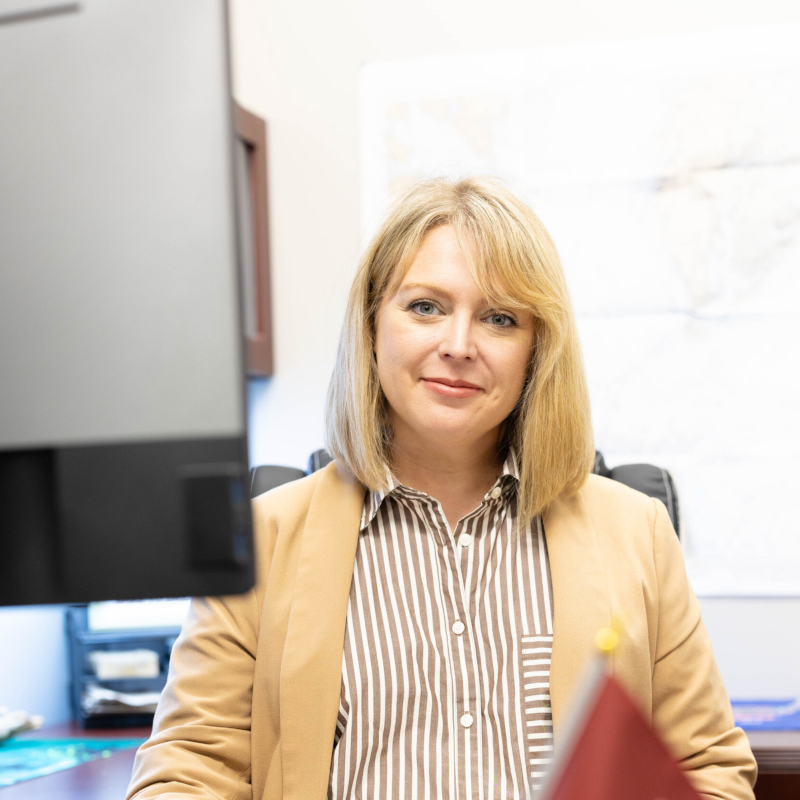
Ashley D. Ross is an Associate Professor in the Department of Marine and Coastal Environmental Science at Texas A&M University at Galveston where she coordinates the Marine and Coastal Management and Science doctoral program. She earned her Ph.D. in Political Science from Texas A&M University, specializing in political science and public policy, and has built an interdisciplinary career focused on environmental hazards and disaster governance. Specifically, her research examines how governance capacity shapes disaster preparedness, response, and recovery; how people’s perceptions and social identities influence their attitudes and behavior about the environment and disasters; and how community resilience is measured and effectively developed. She has authored two books—Local Disaster Resilience (Routledge) and The Politics of Millennials (University of Michigan Press, co-authored with Stella M. Rouse)—and published 38 peer-reviewed articles. A dedicated mentor, Ross has chaired committees for three Ph.D. graduates and 30 master’s students, who now hold jobs in academia, government, and industry. She is an Edges Fellow at Texas A&M and previously held prestigious early-career fellowships with the National Academies and National Science Foundation. Beyond research and teaching, Ross contributes to national and state-level resilience initiatives as a member of the Texas General Land Office’s technical advisory board and a core faculty member with the Institute for a Disaster Resilient Texas. She also serves her community through service on Vision Galveston's Green Galveston team and the City of Galveston's Comprehensive Planning Steering Committee.
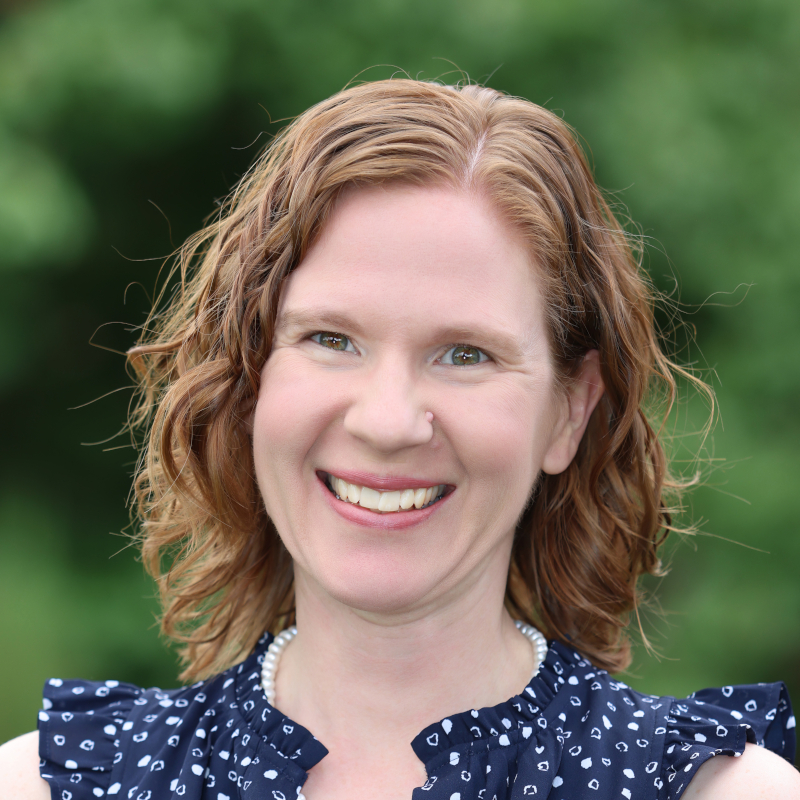
Jessica L. Heier Stamm is an Associate Professor of Industrial and Manufacturing Systems Engineering at Kansas State University. Her scholarship advances understanding about supply chain system design attributes that support human, animal, and environmental health, particularly in hazard and disaster contexts. These systems involve multiple invested parties, each with different information and priorities. Her work leverages tools from optimization and game theory to provide insight about the impacts of coordination among decision makers and to identify supply chain system design and management approaches that support health. Her research has been supported by NSF, USDA, and the Kansas Department of Health and Environment. She is an NSF CAREER award recipient, an award-winning teacher, an affiliate faculty member in the interdisciplinary Master of Public Health program at K-State, and a past fellow in the NSF Enabling the Next Generation of Hazards and Disasters Researchers program.
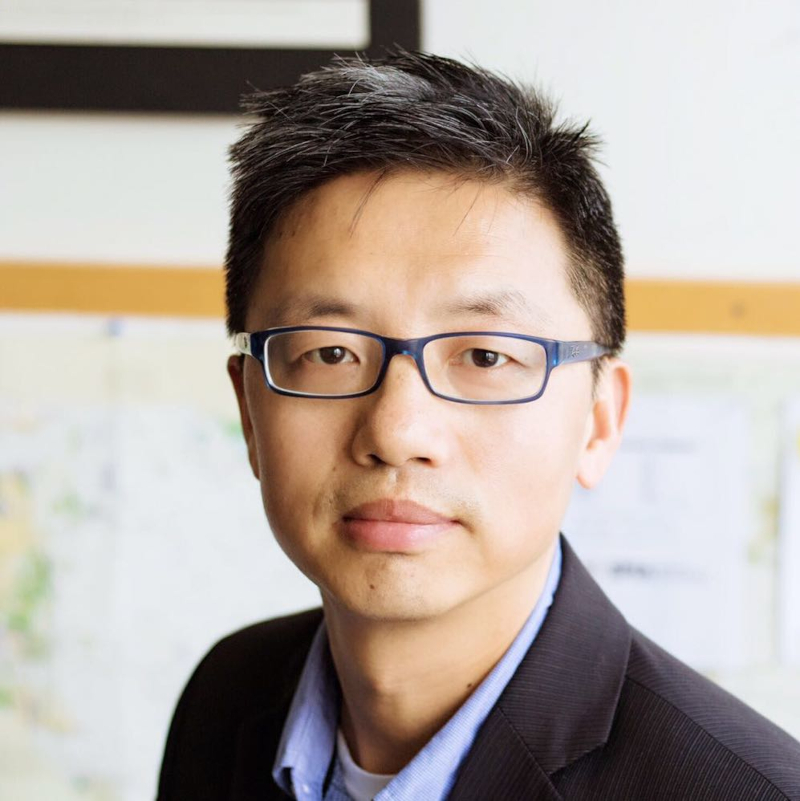
Yang Zhang is an associate professor of Urban & Environmental Policy & Planning at Virginia Tech and a founding member of the Interdisciplinary Graduate Education Program in Disaster Resilience (IGEP-DR). His research focuses on post-disaster recovery and natural hazard mitigation planning, with current work examining floodplain planning and collaborative flood hazard mapping. His research has been supported by the U.S. National Science Foundation, the Virginia Sea Grant, the U.S. Department of Housing and Urban Development, the Lincoln Institute of Land Policy, and the Natural Hazards Center.